

Dog stung by bee: ways to prevent and treat dog bee stings
KEY TAKEAWAYS
Recognize, treat, and prevent bee stings with Lovet. Keep your dog safe if they are stung by a bee and stay informed.
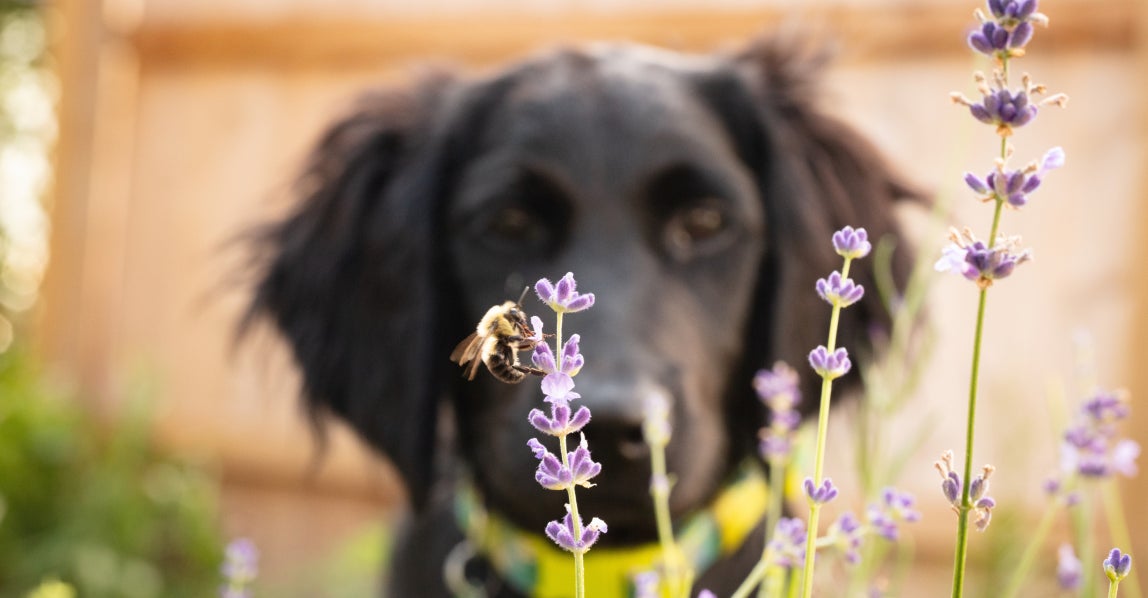
Bees, with their buzzing presence and vital role in pollination, are an integral part of our ecosystem. However, when our furry companions encounter them, a harmless backyard exploration can quickly turn into a painful experience. If you’ve ever worried about how to handle if your dog is stung by a bee, worry not. Lovet has compiled a comprehensive guide to help you understand what to do if your dog is stung by a bee.
How to tell if your dog was stung by a bee
If you suspect your dog may have been stung by a bee, there are several signs to watch for. One of the most common indications is sudden yelping or whimpering, especially if your dog was sniffing around outdoor areas where bees are commonly found. You may also notice your dog pawing at their face or biting/scratching the area where they were stung, as they try to alleviate the discomfort. Some of the most common areas be stings occur are on the paws, mouth, face, and neck.
Signs and symptoms of dog bee sting
Your dog may encounter a few symptoms following a bee sting. Some symptoms include limping, whining, swelling and more. Here is a list of common symptoms that your dog may experience if they have been stung by a bee:
Limping or favoring a paw
Whining
Drooling
Hives and skin irritation
Swelling
What happens if your dog is stung by a bee?
If your dog is stung by a bee, they will begin to experience the symptoms listed above. Similar to humans, dogs can also experience allergic reactions to bee stings. These reactions can be severe and may require action.
Symptoms of a dog’s allergic reaction to a bee sting
Immediately after your dog is stung, it is important to monitor them for any signs of an allergic reaction. Be sure to check your dog’s breathing and take note of any swelling that occurs, especially if your dog is stung on the head or neck area. Here is a list of signs that could indicate your dog is allergic to bee stings:
Trouble breathing
Facial swelling (mouth, eyes, throat, ears)
Sudden collapse (your dog falls over unexpectedly or goes limp)
Weakness
Excessive drooling
Erratic behavior
If you notice your dog experiencing any of these symptoms listed, it is important to contact your nearest Lovet location and discuss the best course of action.
Is a dog bee sting an emergency?
In the case of a bee sting, it is important to monitor your dog’s behavior. Whether or not a bee sting can be classified as an emergency depends on the severity of the symptoms displayed after the sting occurs. We recommend that you contact your nearest Lovet, inform us of the situation, and one of our experienced veterinarians can help determine whether or not to bring your dog in.
If your dog begins vomiting immediately after (or within 5-10 minutes of) being stung, or has pale gums, difficulty breathing, excessive drooling, they may be experiencing anaphylactic shock. Anaphylaxis is considered an extreme emergency, and you need to seek emergency veterinary assistance immediately.
What to do if your dog is stung by a bee
When your dog is stung by a bee it is best to remain calm and take action. Follow these steps when helping your dog with a bee sting:
1. Remain calm
Acting distressed can cause your dog to also begin to become more anxious, making it more difficult to properly identify, and treat the affected area.
2. Identify the stinger
Check your dog to identify if the stinger is still lodged in their skin.
3. Carefully remove the stinger
Use a credit card or similar object to scrape it out gently. Avoid squeezing the venom sack during removal.
4. Clean the affected area after bee sting
Thoroughly wash the area with soap and water to reduce the risk of infection.
5. Apply a cold compress
Soak a towel in cold water or use a bag of ice wrapped in a towel to create a cold compress. Applying this will help alleviate swelling and ease any discomfort your pet may be feeling.
6. Monitor your pet closely
Keep a close watch on your pet in the hours following the bee sting. Contact your nearest Lovet for immediate veterinary attention if you notice any signs of an allergic reaction, such as facial swelling, vomiting, or difficulty breathing.
Treatments for dog bee stings
After contacting your Lovet veterinarian, you may be advised to bring your dog in for a more thorough examination. We can help remove any stingers and administer pain relief and anti-inflammatory medication as well as prescribe antihistamines if necessary. It is not recommended to give your pet any medications at home without first talking with your veterinarian.
Home remedies for dog stung by bee
After talking with your vet and monitoring your dog for severe symptoms, you can then try some of these home remedies to help reduce swelling and discomfort.
Apple cider vinegar
Dilute apple cider vinegar with water and apply it to your pet’s bee sting to reduce inflammation and itching. Soaking cotton balls in the diluted ACV can make it easier to apply to the affected area.
Chamomile tea
Brew chamomile tea, let it cool, and soak a cloth in it. Applying the cloth to your pet’s bee sting can help reduce swelling and pain.
Baking soda
Create a paste by mixing water and baking soda, then apply it to the affected area. This paste can neutralize the acidic venom from the bee sting.
Aloe Vera
Aloe Vera can be applied to the affected area to help reduce the irritation of your dog’s skin. Double check to make sure you are using a pet safe brand before applying it to their skin. Also, you can apply some directly from a plant slice if you already have an aloe plant in your yard.
Is there a difference between wasp and bee stings?
The biggest difference between a bee and a wasp sting is that a single wasp can sting your dog multiple times, which may cause a more severe reaction. Also, the lack of a barb from a wasp sting may make it harder to locate the exact area where your dog has been stung. Regardless of whether it is a bee or a wasp sting, you should still be monitoring your pet for the same symptoms.
When to take your dog to the vet
As mentioned, if your dog is stung by a bee, symptoms will likely be mild and at-home treatments can be enough. However, there are certain situations where seeking veterinary care is necessary. In the following situations, it is advised that you take your dog to the veterinarian after they have been stung by a bee:
Signs of an allergic reaction
If your dog displays any signs of an allergic reaction, such as difficulty breathing, facial swelling, collapse, weakness, excessive drooling, or erratic behavior, seek immediate veterinary attention. Allergic reactions can escalate quickly and require prompt medical intervention.
Multiple stings
If your dog has been stung multiple times by bees or wasps, it can lead to more severe symptoms and may require veterinary assessment and treatment.
Stings in sensitive areas
Stings around the mouth, throat, or eyes can be worrying due to the risk of swelling and airway obstruction. These cases should be evaluated by a veterinarian to ensure your dog’s airway remains open and to help manage any swelling that may occur.
Persistent or worsening symptoms
If your dog’s symptoms persist or worsen despite home care, it’s best to seek veterinary advice. This could indicate an underlying issue or the need for additional treatment.
Known hypersensitivity
If your dog has a known history of severe reactions to bee stings or other allergens, it’s advisable to seek veterinary care immediately after a sting, even if initial symptoms are mild.
Remember, it’s always better to take the precautionary route when it comes to your pet’s health. If you’re unsure whether your dog needs veterinary attention after a bee sting, don’t hesitate to contact your nearest Lovet for guidance.
Disclaimer: Not intended to be a substitute for professional veterinarian advice, diagnosis, or treatment. Always seek the advice of your veterinarian with any questions you may have regarding the medical condition of your pet. If you think your pet has a medical emergency, call or visit your veterinarian or your local veterinary emergency hospital immediately.