

National Pet Dental Health Month and why dental care matters for pets
KEY TAKEAWAYS
February highlights the importance of pet dental health and early prevention of periodontal disease. Learn about Lovet's promotion!
What is National Pet Dental Health Month?
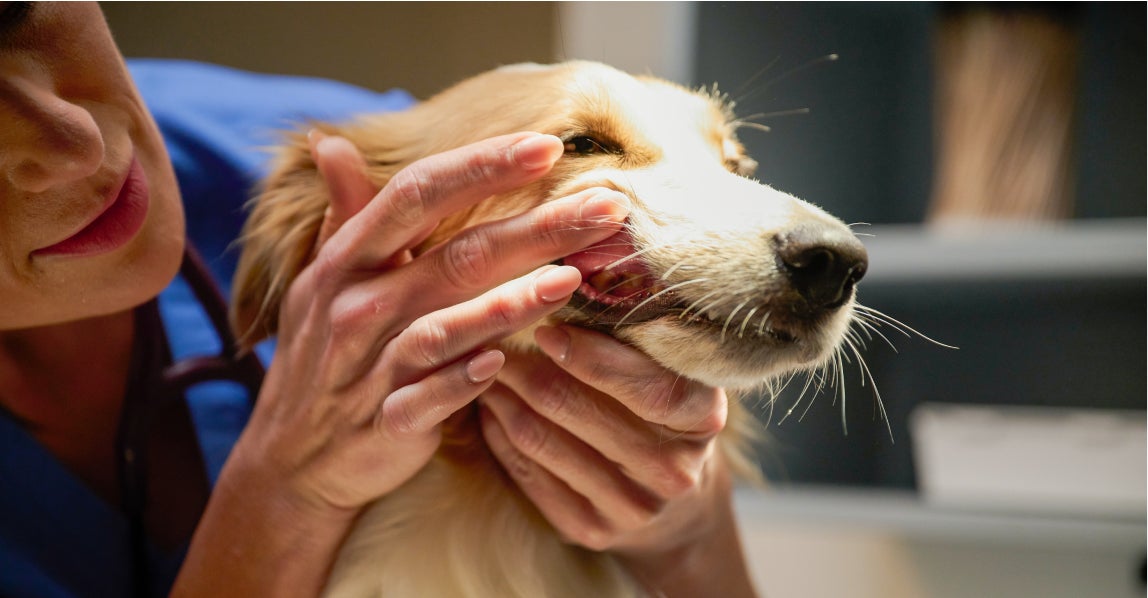
Recognized in February, National Pet Dental Health Month is an opportunity to recognize dental health’s critical role in your pet’s overall health. This month is a reminder that, with daily care and regular professional cleanings, proper dental hygiene in pets can help prevent dental diseases like tooth decay and periodontal (gum) disease.
Why February is dedicated to pet dental care awareness
February is designated as National Pet Dental Health Month to help generate awareness around dental disease in pets and the role dental cleanings play in keeping it at bay. Many pet parents aren’t aware of the role dental health plays in total pet wellness — and how easy it is to prevent painful symptoms of periodontal disease and tooth decay with at-home habits and regular dental cleanings.
To highlight this core aspect of pet health, each February is recognized as National Pet Dental Health Month by pet health care providers like Lovet and organizations like the American Veterinary Medical Association.
How common periodontal disease is in dogs and cats
Periodontal disease is very common in dogs and cats. Over 70% of pets will show signs of dental disease by the age of three.
Small dog breeds like Yorkies and Shi-Tzus are more prone to tooth and periodontal disease due to tooth crowding. While generations of selective breeding have made their jaws and mouths as small and adorable as the rest of them, tiny dog breeds still have the same number of teeth as their larger counterparts — meaning there’s more nooks and crannies for bacteria to hide in.
Cats are also highly prone to dental disease, and it’s estimated as high as 90% of cats over 4 years old have some form of tooth or gum disease. Certain cat breeds also have a higher likelihood of tooth crowding, but the most common form of dental issue in cats is tooth resorption.
Tooth resorption is when your cat’s body begins to reabsorb material from a tooth or teeth, causing it to erode and decay. The causes of tooth resorption are currently unknown, but frequent dental exams can help spot early signs to minimize pain and accelerate treatment.
The link between plaque, gum disease, and overall health
Pets have teeth, too! Which means their teeth are susceptible to many of the same oral health issues that are caused by plaque and tartar in humans.
When plaque, a sticky film of bacteria that forms after a meal, accumulates over time on your pet’s teeth, it hardens and turns into tartar. Tartar is a breeding ground for bacteria and can grow above or below the gumline.
If these bacteria are allowed to flourish, they can cause oral infections which can irritate and damage your pet's teeth and gums. An infection of the gums (also known as periodontal disease) can cause pain, bleeding, and sensitivity; a tooth infection can cause tooth decay and tooth loss.
Oral bacteria can also be absorbed into your pet’s bloodstream through the mucus membranes of the gums and travel throughout the body, causing heart, kidney, or liver issues over time.
Signs your pet may have periodontal or gum disease
Pets like dogs and cats are adept at hiding symptoms of dental and gum disease until they’re too painful to ignore — which usually means the disease has progressed to the point of urgent intervention. Early-stage dental disease often has no observable symptoms, but others are easily spotted once you know what to look for.
Early signs to look out for
Hesitance to eat or play
Bad breath
Red or swollen gums
Buildup on the teeth
Signs of advanced disease or urgent needs
Broken, loose, or discolored teeth
Drooling or extreme bad breath
Sudden loss of appetite
Swelling or bleeding in the mouth
Abnormal chewing
Why routine dental exams and cleanings matter
Regular dental exams and yearly dental cleanings are the best way to make sure your pet is protected from oral health issues.
Dental exams help identify and track the progression of dental and gum disease in your pet’s mouth, ensuring that your pet receives timely treatment. A thorough exam of your pet’s mouth is a part of Lovet’s nose-to-tail wellness exams for that reason! We look carefully at your pet’s gums, teeth, tongue, and oral tissues to identify plaque, tartar, tooth damage, oral lesions, and more.
Dental cleanings remove plaque and tartar from your pet’s mouth, slowing the progression of existing disease and preventing disease from occurring. At Lovet, we only perform dental cleanings on pets under anesthesia per the AVMA guideline. It’s the safest and most effective way to reach below the gumline and between the teeth for a complete clean.
How primary care can reduce pain and future costs
At Lovet, dental cleanings are part of our yearly primary care recommendations because they are essential to preventing more serious issues (and their associated costs) before they occur.
Issues like heart disease or tooth decay often have symptoms that are painful, distressing, and urgent. Treatment is often expensive, and outcomes are less favorable because the underlying issue or disease is advanced. However, these acute symptoms are usually fully preventable with early detection and intervention — which can’t happen without regular primary care.
By making your pet’s primary care a priority, you’re investing in their health for the long term. Read more about why primary care matters.
Lovet’s 2026 National Pet Dental Health Month promotion
To make it easy to proactively address dental disease in your pet, we're offering a special promo for National Dental Health Month in 2026! This February, safeguard your pet’s smile with an exam on us and savings on your pet’s cleaning.
What’s included: a $250+ value!
Our Dental Health Month event1 makes it easy to prioritize your pet’s oral health — with savings to smile about all month long. Book an appointment by February 28th, 2026 to get:
One free exam
$175 off a professional dental cleaning, booked after your exam and occurring before April 30th, 2026
National Pet Dental Health Month FAQs
Is periodontal disease common in dogs and cats?
Yes! By the age of 3, over 70% of pets show signs of periodontal disease. In dogs, the most common cause of dental disease is tooth crowding, which occurs frequently in small dogs. In cats, tooth resorption is the most common cause of dental disease.
How often should my pet get a dental exam or cleaning?
Lovet recommends one dental cleaning per year, in adherence with AVMA guidelines. While a dental exam usually occurs before a dental cleaning, we include a thorough oral examination in all our nose-to-tail exams to ensure dental disease is caught in its earliest and most treatable stages.
Does my pet really need a dental exam if they seem fine?
Yes! Dogs and cats are great at concealing discomfort — especially from the people they love. At Lovet, whether you’re coming in for a dental issue or not, we include a thorough oral examination as part of every exam to catch subtle signs of pain and inflammation.
Why do dog dental cleanings cost so much?
The same medical techniques that are used in a human dental cleaning are used in dog dental cleanings, with additional considerations for the health and safety of your pet that contribute to the overall cost.
AVMA standards recommend anesthesia for all pet-related dentistry to both ensure total removal of bacteria above and below the gumline and to keep your pet safe and comfortable. Anesthesia requires additional monitoring, bloodwork, and medication which can contribute to costs of dog dental cleaning.
At Lovet, we also provide additional services to prioritize your pet’s comfort and safety. From the latest surgical techniques and technology, to warming blankets for post-surgical recovery, to appropriate pain medication to improve recovery, we take extra steps for better outcomes and a better experience for you both.
1 Available at select locations. One free exam per pet per household. Free exam is a clinical evaluation only; excludes diagnostics, treatment, procedures and retail. Exam value varies by location; up to $125. $175 off standard dental cleaning with provider recommendation. Not valid on prior or ongoing services. Cannot be combined with other offers. Additional fees may apply. Must book in February 2026 and exam/services must be completed by April 30, 2026.
DISCLAIMER: Not intended to be a substitute for professional veterinarian advice, diagnosis, or treatment. Always seek the advice of your veterinarian with any questions you may have regarding the medical condition of your pet. If you think your pet has a medical emergency, call or visit your veterinarian or your local veterinary emergency hospital immediately.