

Spay and neuter surgery recovery and aftercare: helping your pet heal
KEY TAKEAWAYS
Spay and neuter recovery is usually straightforward with proper rest, monitoring, and aftercare at home.
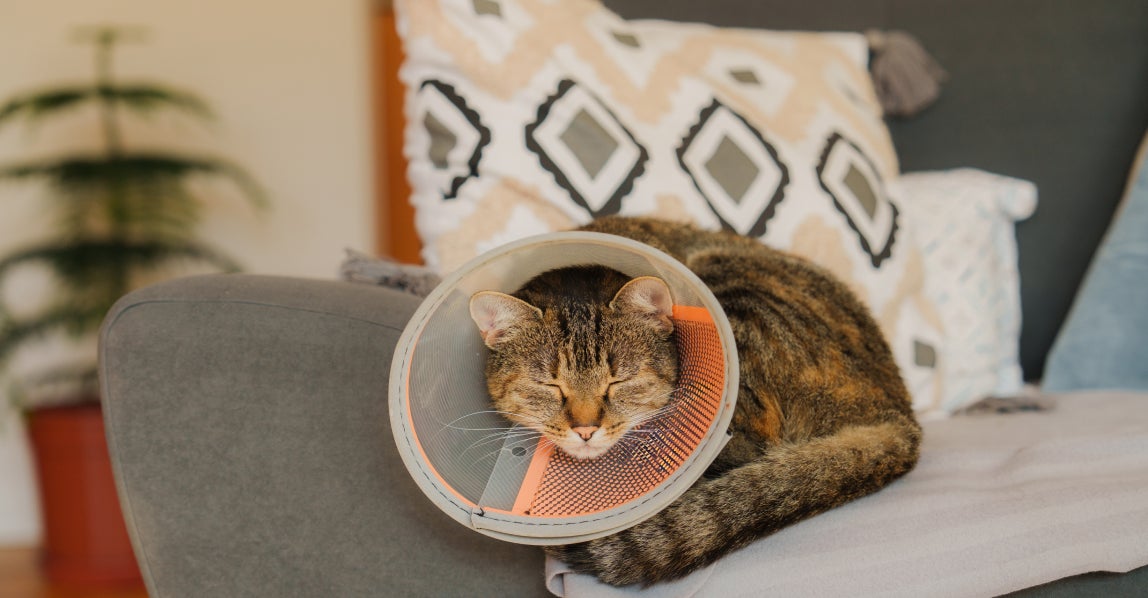
What to expect after your pet’s spay or neuter surgery
If your pet just had a spay or neuter surgery, you might be wondering what’s normal, what’s not, and how to make sure they’re healing the right way. All it takes is a bit of rest, some simple at-home care, and close monitoring to give your pet the best chance at great outcomes post-surgery.
What a typical recovery timeline looks like
Most pets go home the same day as surgery and start settling in within a few hours. The first 24–48 hours are usually the quietest. Your pet may be sleepy, less interested in food, or a little unsteady. It’s not uncommon for your pet to be interested in the incision site in the first 24-48 hours, so it’s important to keep their e-collar on at all times.
Over the next 10–14 days, healing continues as the incision closes. During this time, activity should stay limited. Stitches or healing tissue need time, even if your pet starts acting like their usual self again.
What behaviors are normal after spay or neuter surgery
It’s common to see temporary changes right after surgery. Your pet might:
Sleep more than usual
Have a lower appetite for a day or two
Seem a little withdrawn or clingy
Move more slowly than normal
These changes should improve steadily. What you’re looking for is progress. Each day should feel a little closer to normal.
How is recovery different for dogs and cats?
Dogs and cats heal in similar ways, but their day-to-day habits can make recovery look a little different. Understanding those differences can help you plan ahead.
How to care for your dog after spay or neuter surgery
Dogs often need more help staying calm during recovery. Once they feel good, they want to run, jump, and play again — but doing so too soon can impact their healing.
At home, focus on:
Short, leashed bathroom breaks only
Avoiding stairs, rough play, or jumping on furniture
Keeping them in a calm, contained space
Don’t be afraid to reach out to your vet if you’re having a hard time keeping your dog settled during recovery. There are a number of medications your vet can prescribe to assist in keeping them calm, relaxed, and healing.
How to care for your cat after spay or neuter surgery
Cats are trickier since they usually aren’t used to being confined to a kennel or on a leash like dogs. They may try to jump or hide before they’ve healed enough to do so safely.
To support recovery:
Keep them in a smaller, controlled space if possible
Limit access to high surfaces
Monitor litter box use to make sure everything stays normal
You can reach out to your vet if your cat is particularly active for calming medications or pheromone plug-ins.
How is pain managed during and after spay/neuter surgery?
This is where you have the biggest impact. A smooth recovery mostly comes down to keeping things calm, clean, and consistent.
How to manage rest and activity at home
Even if your pet feels better quickly, their body is still healing. Limiting activity helps protect the incision and avoid complications.
Create a quiet space where your pet can rest comfortably, away from too much stimulation. Whether it's baby gates or their typical crate, whatever feels cozy and contained — and is easy for you to monitor — will be great.
How to check the incision and keep it clean
Take a quick look at the incision once or twice a day. Healing isn’t always linear, but it should be steady.
Mild redness or slight swelling can be normal, but the area shouldn’t worsen over time. Keep it clean and dry to avoid infection or slow healing. For that reason, avoid bathing your pet until your veterinarian says it’s okay.
Cones vs. recovery suits
Preventing licking or chewing is one of the most important parts of aftercare, so your pet needs a cone (e-collar) 24/7 until your vet says it’s okay to remove.
Just because the incision looks closed, it may not be fully healed. Licking introduces bacteria and, with enough effort, can reopen the incision entirely.
Your pet might be a little clumsy for a few days in the “cone of shame” but, with consistent wearing, your pet will get used to eating, drinking, and navigating your home with it on.
Recovery suits or spay suits may prevent your pet from banging around your house in a cone, but they can also enclose the incision. Proper airflow is important for preventing infection and healing progression. Talk to your vet about if a recovery suit is the right choice for your pet. Be sure to keep a very close eye on the incision if you do use one.
When should I call a veterinarian during recovery?
Most recoveries are straightforward, but it’s important to know when something isn’t following the expected path.
Signs something isn’t healing as expected
Reach out if you notice:
Increasing redness, swelling, or discharge at the incision
Bleeding or the incision opening
Persistent vomiting or diarrhea
Signs of pain that don’t improve
Changes in appetite, energy, or behavior
If your pet isn’t eating after a couple of days, seems unusually lethargic, or just doesn’t seem like themselves, it’s worth checking in.
You don’t have to guess. If something feels off, getting guidance early can help you avoid bigger concerns.
How can I make recovery easier for my pet and my routine?
A little preparation goes a long way in recovery — for both you and your pet.
Set up a calm space ahead of time, plan for a quieter routine, and keep any medications or supplies within reach. Most importantly, know that you don’t have to figure everything out on your own. If something feels unclear or you just want reassurance, give your vet a call. Getting guidance early can make a big difference.
If you have questions during recovery or want a veterinarian to take a look, you can schedule an appointment at a Lovet hospital for clear next steps and support. We offer same-day appointments for concerns that can’t wait, along with ongoing primary care to help your pet stay on track as they heal.
If you’re still planning your pet’s procedure, you can also learn more about our surgery services or connect with a team near you to talk through what to expect.
Whether you’re in the middle of recovery or just getting started, we’re here to make vet care feel simpler, more predictable, and easier to manage.
Find a Lovet location near you when you’re ready. We’ll help you take the next step with confidence.
Spay and neuter recovery FAQs
How long does my dog need to wear a cone after being neutered or spayed?
Most dogs need to wear a cone for about 10–14 days, or until the incision is fully healed. Even if your dog seems fine sooner, keeping the cone on helps prevent licking that could delay healing.
Does my dog need a cone after being neutered if the incision looks fine?
Yes. Even if the incision looks good, licking can still cause irritation or infection. The cone is there to protect healing you can’t always see.
What is normal during spay and neuter recovery, and when should I worry?
It’s normal for your pet to be a bit tired, eat less, and move more slowly for a few days. You should start to see steady improvement. If symptoms worsen, the incision changes, or your pet seems off, it’s best to talk to a veterinarian.
DISCLAIMER: Not intended to be a substitute for professional veterinarian advice, diagnosis, or treatment. Always seek the advice of your veterinarian with any questions you may have regarding the medical condition of your pet. If you think your pet has a medical emergency, call or visit your veterinarian or your local veterinary emergency hospital immediately.