

Does my pet need urgent or emergency vet care? How to decide
KEY TAKEAWAYS
When something’s not right, knowing how to recognize the signs can help you decide quickly whether your pet needs urgent or emergency care—and what to do next.
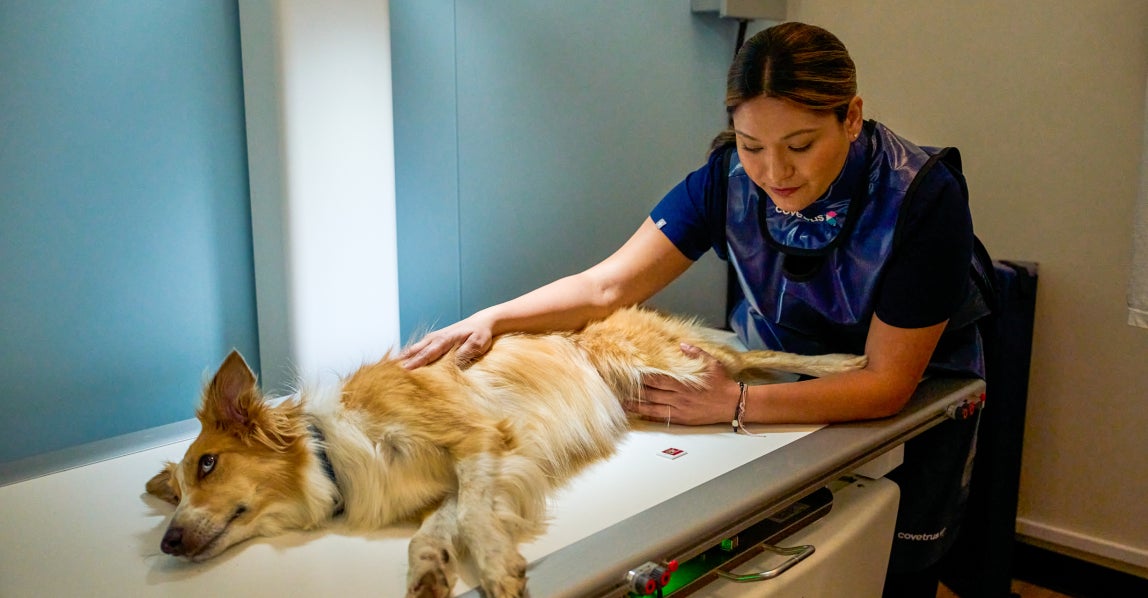
When something’s wrong with your pet, the hardest part isn’t always what’s happening. It’s figuring out what to do next.
Should you rush to an emergency hospital? Or is this something that can be handled with urgent care?
If you’re feeling unsure, you’re not alone. Most pet parents find themselves in this exact moment, trying to make the right call quickly. The good news is that there are a few clear signs that can help you decide... and help you feel more confident about your next step.
How do I know if my pet needs urgent or emergency care?
A simple way to think about it is this:
Urgent care is for problems that need attention soon, but your pet is stable
Emergency care is for problems that are severe, sudden, or life-threatening
If your pet is alert, breathing normally, and able to move around, you’re usually in urgent care territory. If something feels extreme or rapidly worsening, it’s safer to treat it as an emergency.
This quick distinction can help you decide faster. But, when things feel unclear, looking at specific symptoms can make the choice easier.
Signs your pet may need emergency vet care right away
Some symptoms should always be treated as emergencies. In these situations, it’s best to go directly to an emergency hospital without waiting.
Breathing problems or collapse
If your pet is struggling to breathe, breathing rapidly, or collapses, this is a clear emergency. These symptoms can worsen quickly and need immediate attention.
Severe injury or trauma
Situations like being hit by a car, falling from a height, or any major injury should be treated as emergencies — even if your pet seems okay at first.
Uncontrolled bleeding
Bleeding that doesn’t stop requires urgent, immediate care. Blood loss is life-threatening and can happen in a matter of minutes in pets.
Seizures
Seizure activity, especially if your pet has never had a seizure before, is an emergency requiring immediate veterinary attention.
Sudden, extreme changes in behavior
If your pet becomes unresponsive, disoriented, or shows extreme distress, it’s safest to go straight to an emergency hospital.
Difficulty urinating or no urine output, especially in male cats
A male cat that is repeatedly going to the litter box, straining to urinate, vocalizing, licking at the genital area, or producing little to no urine may have a urinary blockage. This is a true medical emergency that can become life-threatening within a short period of time and requires immediate veterinary attention.
Signs your pet can go to urgent care
Not every issue requires emergency care, especially if your pet is stable. In many cases, urgent vet care is the right choice.
Limping or difficulty walking
If your dog is limping but still able to walk, this is often appropriate for urgent care. If you’re unsure what might be causing it, learning more about why your dog is limping can help you decide how quickly to act. If it’s not improving, getting it checked is the best next step.
Vomiting or diarrhea that isn’t improving
Occasional stomach upset can happen, but if symptoms continue or your pet seems uncomfortable, urgent care can help address the issue before it gets worse.
Mild to moderate pain or discomfort
Changes in behavior — like avoiding movement, whining, or acting differently — can signal discomfort that should be evaluated soon, even if it’s not severe.
Skin, ear, or eye issues
Infections, irritation, or sudden changes in appearance are common reasons pets are seen in urgent care and can often be treated quickly once diagnosed.
If your pet falls into any of these categories, you can usually schedule an appointment the same day and get answers without needing to go to an emergency hospital.
What if I’m not sure what my pet needs?
This is where many pet parents get stuck. You don’t want to overreact, but you also don’t want to wait too long.
When it’s okay to start with urgent care
If your pet is:
Stable and alert
Eating or drinking normally
Not in severe distress
Starting with urgent care is often a safe and practical choice. You can have your pet evaluated and get clear guidance on what to do next.
When it’s safer to choose emergency care
If your pet’s symptoms are:
Severe
Rapidly worsening
Hard to interpret
It’s better to err on the side of caution and go to an emergency hospital.
And don't forget you can always call your local Lovet during business hours if you’re not sure. We can help answer questions over the phone and give you guidance on whether you should come in.
What happens if I wait too long?
Sometimes it’s tempting to “wait and see,” especially if symptoms seem mild at first.
But in some cases, waiting can lead to:
A minor issue becoming more serious
Longer recovery time
More complex treatment
That doesn’t mean every situation is urgent. However, if something isn’t improving or feels uncertain, getting your pet checked sooner can make a big difference.
How can I decide quickly in the moment?
When you’re trying to decide fast, keep it simple:
Stable and not severe? Head to urgent care
Severe, sudden, or worsening? Go straight to emergency care
This quick check can help you move from uncertainty to action without overthinking the situation.
How Lovet helps when your pet needs care soon
If your pet isn’t experiencing a life-threatening emergency but clearly needs to be seen, urgent care can give you answers without the long wait.
At Lovet, we make it easy to get your pet evaluated with same-day appointments and simple online scheduling, so you can take action as soon as something doesn’t feel right. Instead of waiting days to be seen, you can schedule an appointment and get a clear understanding of what’s going on.
We also know that cost and convenience matter in these moments. That’s why we offer flexible payment options and have locations designed to fit into your routine. If you’re trying to figure out your next step, make an appointment or call your local Lovet to check same-day availability.
And if your pet does need a higher level of care, our team can help guide you toward the right next step — so you’re never left guessing.
Urgent or emergency vet care FAQs
How do I know if my dog needs emergency vet care?
If your dog has severe symptoms like trouble breathing, collapse, or major injury, it’s best to go to an emergency hospital immediately.
Can I take my dog to urgent care instead of an emergency vet?
If your dog is stable but needs to be seen soon, urgent care is often the right choice.
What if I choose urgent care but it’s actually an emergency?
Urgent care teams can evaluate your pet and guide you if emergency care is needed.
Is it better to be safe and go to the emergency vet?
If symptoms seem severe or you’re unsure, it’s always safer to choose emergency care.
DISCLAIMER: Not intended to be a substitute for professional veterinarian advice, diagnosis, or treatment. Always seek the advice of your veterinarian with any questions you may have regarding the medical condition of your pet. If you think your pet has a medical emergency, call or visit your veterinarian or your local veterinary emergency hospital immediately.