

What you need to know about Valley Fever in dogs
KEY TAKEAWAYS
Learn all about Valley Fever from an AZ-based vet, including steps to take to lower your dog’s risk of catching it.
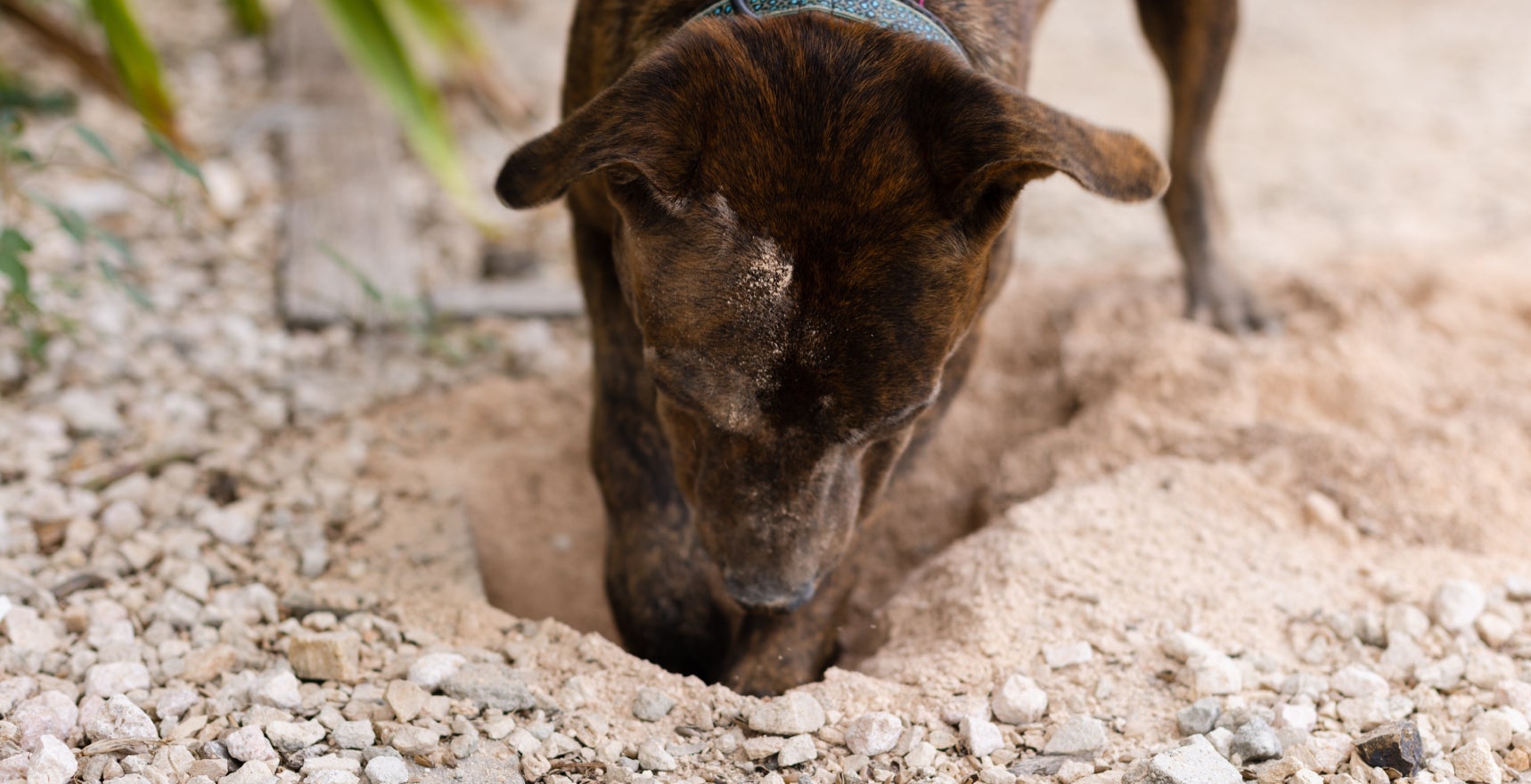
If you live or snowbird in Arizona, there's one disease that should be on your radar: Valley Fever. This silent threat affects thousands of dogs across the state every year, and many pet parents are unaware of the warning signs until it's too late. Kelli Spiker, Arizona-based DVM, gave us her insight into what all responsible dog parents in Arizona should know.
What is Valley Fever?
Valley Fever, scientifically known as Coccidioidomycosis, is a fungal infection that dogs (and cats, and humans, and many other animals) can contract by inhaling tiny spores from a fungus that grows in the soil. These spores are everywhere in Arizona's desert landscape but are particularly commonplace when storms and winds in September through February kick up more dust.
Valley Fever spores are invisible and float through the air, where your dog breathes them in. Once inside your dog's lungs, these spores can cause serious problems. They can spread throughout your pet's body, affecting their bones, joints, and other organs.
What are the symptoms of Coccidioidomycosis in dogs?
Valley Fever can be challenging to diagnose because its early symptoms resemble those of many other illnesses. Respiratory signs are most common, but Valley Fever spores can travel through the bloodstream and present symptoms anywhere in the body. “I’ve seen it in almost every part of the body I can think of,” says Dr. Spiker. Here's what to watch out for:
Respiratory signs
Coughing that won't go away
Trouble breathing or panting more than usual
Wheezing or raspy breathing sounds
Less energy during walks or play
General health changes
Loss of appetite
Weight loss even with normal eating
Fever that comes and goes
Sleeping more than usual
Less interest in favorite activities
Advanced symptoms
Limping or trouble walking
Swollen joints that are painful to touch
Skin sores that won't heal
Eye problems or vision changes
Seizures
How Lovet vets diagnose Valley Fever
When you bring your dog to Lovet with concerns about Valley Fever, our vets will use several methods to determine the cause.
Blood tests
Your vet will run blood tests to look for Valley Fever antibodies. However, Dr. Spiker emphasized that blood testing “isn’t perfect.” These tests only show if your dog's immune system has encountered the fungus.
That said, when presented with typical symptoms of Valley Fever, a positive test can be enough to begin treatment. However, if symptoms are more atypical, additional testing may be required.
X-rays and imaging
X-rays and other imaging can help confirm a positive blood test. Usually, your vet will want to image your dog’s chest if they’re experiencing respiratory symptoms or limping, but other types of imaging such as ultrasounds might be used to investigate growths or other symptoms.
Physical examination
Every visit to Lovet includes a nose-to-tail exam, and a suspected Valley Fever case is no different. Your vet will check your dog from nose to tail, paying special attention to:
Breathing patterns and lung sounds
Joint swelling or pain
Lymph node size
Overall body condition
What are the different stages of Valley Fever in dogs?
These don’t necessarily progress visibly from one stage to the other. With symptoms occurring subtly, Dr. Spiker says it’s possible for Valley Fever to present suddenly as disseminated.
Stage 0: Initial infection
This is when your dog first breathes in the spores. According to the University of Arizona, about 70% of dogs fight off the infection at this stage and never show symptoms. Other dogs may have a mild cough that resolves on its own. Dogs who experience an initial infection, even if they fight it off, will show positive on an antibody test in the future.
Stage 1: Primary disease
Primary valley fever is when the fungus is localized to the lungs. This is when you'll typically observe classic symptoms, such as persistent cough, fever, and fatigue. This stage needs immediate treatment to prevent spreading to other parts of the body.
Stage 2: Disseminated disease
This is where the infection spreads outside the lungs and throughout your dog's body, which can often indicate a more serious case. It can affect bones, joints, and other organs — and, in rare cases, the brain. Dogs with disseminated Valley Fever need immediate, aggressive treatment and close monitoring.
Early detection methods
Early detection of Valley Fever, Dr. Spiker says, can be challenging due to how individualized the symptoms and clinical signs can be. “It's not a black and white disease. There's a lot of gray zone,” she says. As a result, Dr. Spiker says Lovet vets in Arizona usually bring up Valley Fever during appointments involving respiratory issues or limping to ensure you’re aware of every possible diagnosis we’re considering.
“I mention Valley Fever for limping dogs every time,” she says. “Especially if it's not pairing up with an obvious pinpoint for limping, like a torn cruciate.”
But just because your vet mentioned Valley Fever isn’t cause for panic! Your vet may recommend Valley Fever treatment right away, or they may try to eliminate other diagnoses through prescribing antibiotics or other treatments. Treatment for Valley Fever can be more intensive and take longer than other diagnoses, so it can be worthwhile to treat for something like kennel cough to see if your dog’s symptoms resolve.
However, early treatment is crucial for the best Valley Fever outcomes. Your vet will stay in touch to ensure that you can begin Valley Fever treatment right away if your dog’s symptoms aren’t resolving or are getting worse.
Treatment options for Valley Fever in dogs
Treatment for Valley Fever always involves antifungal medication, which works by stopping the fungus from growing and spreading throughout your dog's body. In rare cases, treatment for Valley Fever may involve removing an abscess, tumor, or growth — or even the affected limb or organ. Treatment in general is usually highly effective; the University of Arizona reports that more than 90% of dogs respond to treatment and make a full recovery from Valley Fever.
Coccidioidomycosis treatment guidelines for dogs
The guidelines for Valley Fever treatment at Lovet as outlined by Dr. Spiker include prescribed antifungals, which are usually given orally at intervals throughout the day. Antifungals are similar to antibiotics in that timeline and consistency are key for maintaining effective, fungus-killing levels in your pet’s bloodstream. Treatment is usually recommended for months at a time, if not a year or more. Even when your dog is acting and feeling better, you’ll need to continue giving medicine until the vet-recommended stopping point.
“Response [to treatment] can be pretty quick, so people understandably think that [their dog is] better,” says Dr. Spiker. But microscopic particles of the fungus can remain even after several months of antifungals, and if those particles are left behind then your dog could experience a relapse of symptoms — and potentially create a more resilient fungus that is harder to kill. Staying on top of your dog’s prescription refills, medication times, and recovery timeline can set your dog up for success and a full recovery.
In addition to antifungals, your vet will also want to see your dog for bloodwork and an exam regularly. They’ll check your dog’s liver function, white blood cell count, and Valley Fever titers every couple of months to monitor the antifungals’ efficacy and your dog’s overall tolerance of the medication.
Antifungal medications for Valley Fever in dogs, compared
Fluconazole is often the first choice for many dogs because it's easier on their system while still being effective. For dogs with Valley Fever that does not respond to fluconazole, other antifungals such as itraconazole or ketoconazole might be recommended. These medications are stronger and can penetrate deeper into tissues where the fungus likes to hide. However, they often cause more side effects and require careful monitoring as a result.
The most effective medication is the one your dog can tolerate well enough to complete the full treatment course. A medication that makes your dog too sick to eat or causes severe side effects won't help them heal. Your vet will help you consider safety, efficacy, and overall cost as part of your dog’s treatment plan.
Common side effects of Valley Fever to watch for
Your dog might experience some stomach upset, loss of appetite, or mild lethargy during the first weeks of antifungal treatment. These signs often improve as the body adjusts to the medication. Dr. Spiker emphasizes that, for many dogs, side effects are mild to nonexistent; the biggest adjustment is for pet parents in adhering to the strict 12-hour administering window. “Treatment is almost more of an impact on the human's lifestyle,” she says.
When to call your vet immediately
Some side effects are rare and require urgent attention. Call your Lovet team right away if your dog shows:
Severe vomiting or diarrhea lasting more than 24 hours
Complete loss of appetite for more than two days
Yellowing of the eyes or gums
Extreme lethargy or weakness
Valley Fever prognosis for dogs
The prognosis for Valley Fever is most favorable when caught early. “The earlier we can start treatments, the better your prognosis is,” Dr. Spiker says. Early treatment prevents the infection from spreading and facilitates a faster and easier recovery.
The University of Arizona reports that over 90% of all dogs with Valley Fever respond to treatment, increasing their likelihood of a favorable prognosis. Dogs with more advanced Valley Fever, including those with bone, joint, brain, or organ involvement, may require more aggressive treatment or treatment for longer periods of time before seeing improvement or resolution. In some cases, especially in senior pets, treatment may be required for the rest of your dog’s life in order to keep the fungus at bay.
Recovery time for Valley Fever in dogs
“Most dogs are clinically well fairly quickly into treatment,” Dr. Spiker says. It’s common to see initial improvement within 2 to 4 weeks of starting antifungals. You may notice that your dog has more energy, a better appetite, or reduced coughing. These early signs indicate that the medication is working and your dog is beginning to overcome Valley Fever.
By 1-3 months into treatment, most dogs exhibit a dramatic improvement in their symptoms. Your dog might seem almost back to their normal self: wanting to play, going on longer walks, and generally showing their personality.
This is often when pet parents feel tempted to stop medication early, but completing the full treatment course is crucial for preventing relapse. Your dog needs the full treatment to ensure Valley Fever doesn't return. Most dogs complete treatment within 12 months and return to their completely normal lives. Some dogs need longer treatment, particularly those with bone or joint involvement, but even these cases often achieve excellent long-term outcomes.
Long-term management of Valley Fever in dogs
After your dog’s symptoms have resolved, and your vet has given you the all-clear to discontinue treatment, there are still a few aspects to managing their health that you should consider. Including:
Monitoring for relapse
Even after successful treatment, Valley Fever can sometimes return. Watch for the same symptoms that first brought you to the vet: persistent cough, loss of appetite, lethargy, or limping.
Long-term monitoring
Even after completing treatment, annual check-ups help catch any signs of Valley Fever relapse early. Some dogs need periodic blood tests to monitor for recurrence.
Can Valley Fever in dogs be prevented?
While you can't completely prevent Valley Fever exposure in Arizona, smart prevention strategies can reduce the likelihood of your dog encountering the fungus. Try making the following simple lifestyle adjustments for your dog's long-term health:
Timing outdoor activities
Schedule walks and outdoor play during calmer morning hours when dust levels are typically lower. Avoid outdoor activities during dust storms, high winds, or immediately after construction work in your area.
Smart exercise choices
Choose paved walking paths over dusty trails when possible. Swimming provides excellent exercise with minimal dust exposure for dogs who enjoy water activities. Dog parks or yards with well-maintained grass, deep gravel, or ground cover that reduces dust pose a lower risk than those with bare dirt areas.
Home environment modifications
“We all have dust in our house,” says Dr. Spiker. “If the dust can come in then the spores can come in." Use air purifiers in your home, especially during dust storm season. Keep windows closed during windy days and consider upgrading your HVAC filters to capture more airborne particles.
Dog breeds and risk factors with Valley Fever
While any dog living in Arizona can get Valley Fever, some factors increase their risk of contracting it.
Breed and age considerations
Certain breeds and aspects can be more severely affected by Valley Fever symptoms:
Breeds with shortened snouts can be at higher risk of complications when presenting respiratory symptoms
Dogs with compromised immune systems
Puppies and senior dogs, whose immune systems can’t fight off new infections as well
Lifestyle risk factors
Dogs with these lifestyle factors face higher exposure:
Spending lots of time outdoors
Living in areas with frequent construction
Frequent digging
Living in dusty, windy areas
Seasonal risk factors
Valley Fever cases spike during certain times:
Late summer and fall (August through November)
After dust storms
During construction seasons
Can dogs with Valley Fever spread it to dogs or humans?
While it’s true that humans can contract Valley Fever, and so can any other animal with lungs, Dr. Spiker emphasizes that Valley Fever is categorized as a noncommunicable disease. It can only be contracted through breathing in spores. It isn’t contagious through coughing or breathing. Your dog can safely interact with people, dogs, and other pets in your household without spreading the disease.
However, she also mentions it’s important to maintain good hygiene if your dog has any draining lesions or abscesses because of Valley Fever. While the likelihood of that fluid containing live spores is minimal, it’s important to treat the draining fluid like any other bodily fluid. If you or a family member is immunocompromised, you may be more at risk of catching Valley Fever from draining fluid, so be sure to consult with with your doctor to ensure your safety.
Lovet is Arizona’s choice for Valley Fever management
When your dog might have Valley Fever, you need veterinary care that understands the urgency and complexity of this disease. At Lovet, we’ve been serving pets of the Phoenix metro area for over 40 years, and we’ve helped countless dogs make full recoveries from Valley Fever with personalized treatment at our 28 locations.
If you suspect your dog may have Valley Fever, or you’re looking for a knowledgeable team to help you manage your dog’s current Valley Fever treatment, book an appointment today.
DISCLAIMER: Not intended to be a substitute for professional veterinarian advice, diagnosis, or treatment. Always seek the advice of your veterinarian with any questions you may have regarding the medical condition of your pet. If you think your pet has a medical emergency, call or visit your veterinarian or your local veterinary emergency hospital immediately.