

Cat kidney disease treatment: what to expect and how to care for your cat
KEY TAKEAWAYS
While chronic kidney disease can't be cured, early treatment and ongoing vet care can help many cats live comfortably for years.
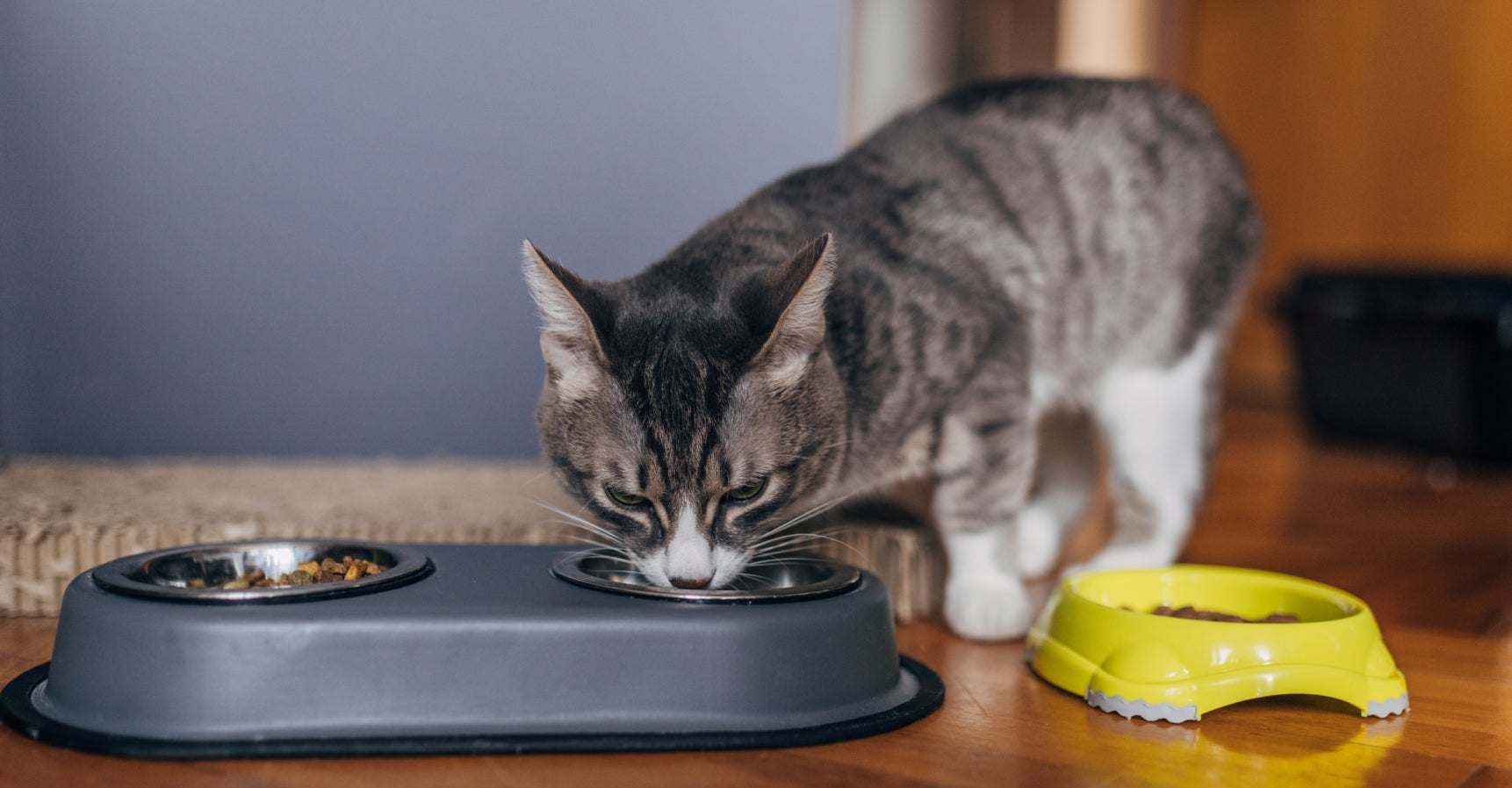
Learning that your cat has kidney disease can feel overwhelming. You may be wondering what happens next, whether your cat will be in pain, and what you can do to help. The good news is that while chronic kidney disease can't be cured, many cats continue to enjoy a good quality of life with the right treatment and ongoing veterinary care.
Every cat's treatment plan is different. It depends on how advanced the disease is, your cat's overall health, and the symptoms they're experiencing. The goal is to slow the progression of kidney disease, manage symptoms, and help your cat feel as comfortable as possible for as long as possible.
In this guide, we'll explain how kidney disease in cats is treated, what at-home care looks like, and when it's time to check in with your Lovet team.
How is kidney disease in cats treated?
Treatment for chronic kidney disease focuses on supporting your cat's remaining kidney function and managing the symptoms caused by the disease. Because kidney disease affects every cat differently, there's no one-size-fits-all approach.
Your veterinarian will recommend a treatment plan based on your cat's stage of kidney disease, bloodwork results, overall health, and how they're feeling at home. Some cats only need dietary changes and routine monitoring, while others benefit from additional treatments to help manage complications as the disease progresses.
The earlier kidney disease is diagnosed, the more opportunities there are to support your cat's long-term health and comfort.
Can kidney disease in cats be cured?
Unfortunately, chronic kidney disease cannot be cured because damaged kidney tissue doesn't regenerate.
However, many cats live comfortably for years after being diagnosed, especially when the condition is caught early and managed consistently. Regular veterinary visits and monitoring allow your veterinarian to adjust your cat's care as their needs change over time.
What treatments are available for cats with kidney disease?
Treatment plans are designed to address your cat's individual needs and often include several different approaches working together.
One of the most important parts of treatment is nutrition. Your veterinarian may recommend a therapeutic kidney diet that's specially formulated to support kidney function and help manage the progression of chronic kidney disease.
Keeping your cat well hydrated is another key part of treatment. Because cats with kidney disease lose more water through their urine, maintaining hydration can help them feel better and support normal body functions.
Depending on your cat's condition, your veterinarian may also recommend medications to help manage symptoms such as nausea, decreased appetite, high blood pressure, or changes in mineral balance. Some cats require additional supportive care as the disease progresses, while others remain stable with relatively simple management.
The goal isn't simply treating kidney disease — it's helping your cat maintain the best possible quality of life.
How can I care for a cat with kidney disease at home?
Your role at home is one of the most important parts of your cat's treatment plan. Small, consistent habits can help support your cat's comfort between veterinary visits and may make it easier to recognize changes early.
Start by encouraging your cat to drink plenty of water. Some cats prefer wide water bowls, multiple water stations throughout the house, or drinking from a pet fountain. Feeding the diet recommended by your veterinarian consistently is equally important, even if your cat needs time to adjust to a new food.
At home, try to:
Make sure fresh water is always available.
Feed the recommended diet consistently.
Monitor your cat's appetite each day.
Keep an eye on litter box habits.
Administer medications exactly as directed.
Monitor your cat's weight if recommended by your veterinarian.
Provide a quiet, comfortable place to rest.
Minimize stressful changes to their environment.
These simple habits can help you notice subtle changes that may warrant a follow-up visit.
What changes should I watch for at home?
Even if your cat has been doing well, it's important to keep an eye out for changes that could indicate their condition is progressing.
Make an appointment at Lovet if you notice:
Eating significantly less
Vomiting more often
Drinking much more or much less than usual
Weight loss
Hiding more frequently
Low energy
Changes in urination or litter box habits
Difficulty walking or appearing weak
Keeping a brief journal of your cat's appetite, weight, water intake, and energy level can also help you identify gradual changes that might otherwise go unnoticed.
How often will my cat need follow-up care?
Kidney disease requires ongoing monitoring, even when your cat seems to be feeling well.
Your veterinarian will recommend a schedule for follow-up visits based on your cat's condition. These appointments may include bloodwork, urine testing, blood pressure measurements, and weight checks to monitor kidney function and identify changes early.
Regular monitoring allows your veterinarian to adjust your cat's treatment plan as their needs change. Even small changes in laboratory results or symptoms can help guide decisions that keep your cat more comfortable over time.
Many pet parents worry when follow-up testing is recommended, but these visits are one of the most important ways to support cats living with chronic kidney disease.
When should I contact a veterinarian?
Even if your cat has already been diagnosed with kidney disease, changes in their condition shouldn't be ignored. Contact your veterinarian if your cat suddenly stops eating, vomits repeatedly, becomes much more lethargic than usual, has difficulty walking, or you notice significant changes in their drinking or urination.
You should also schedule a visit if your cat seems less comfortable than they were previously or if you're having difficulty following their treatment plan at home. Sometimes small adjustments can make a meaningful difference in your cat's comfort and quality of life.
At Lovet, our veterinarians work with pet parents to develop individualized care plans and monitor kidney disease as it changes over time. With same-day appointments, easy online scheduling, and flexible payment options, it's easier to get answers when something doesn't seem right.
What can I expect after my cat is diagnosed?
A diagnosis of chronic kidney disease can be emotional, but it doesn't mean your cat can't continue enjoying life. Many cats live comfortably for years with the right combination of nutrition, supportive care, routine monitoring, and regular veterinary visits.
Your cat's treatment plan may change over time as their needs evolve, which is why ongoing communication with your veterinarian is so important. Paying attention to changes in appetite, weight, water intake, energy level, and litter box habits can help identify concerns early and ensure your cat continues receiving the care they need.
Most importantly, remember that you're not managing kidney disease alone. Your veterinary team is there to answer questions, monitor your cat's progress, and help you make informed decisions every step of the way.
If you're concerned about your cat's kidney health or have questions about their diagnosis or treatment plan, your local Lovet team is here to help.
Cat kidney disease treatment FAQs
What is the best treatment for kidney disease in cats?
The best treatment depends on your cat's stage of kidney disease, overall health, and symptoms. Many treatment plans combine a therapeutic diet, hydration support, medications, and regular monitoring to help maintain quality of life.
Can cats live a normal life with kidney disease?
Many cats with chronic kidney disease continue to live happy, comfortable lives for years. Early diagnosis, consistent treatment, and routine veterinary care can make a meaningful difference in helping them maintain a good quality of life.
How long can cats live with chronic kidney disease?
Every cat is different. Factors such as the stage of kidney disease at diagnosis, overall health, and response to treatment all influence life expectancy. Your veterinarian can provide guidance based on your cat's individual condition.
What should cats with kidney disease eat?
Many cats with chronic kidney disease benefit from a therapeutic kidney diet formulated to support kidney function and help manage the progression of the disease. Your veterinarian can recommend the most appropriate diet based on your cat's nutritional needs and stage of kidney disease.
DISCLAIMER: Not intended to be a substitute for professional veterinarian advice, diagnosis, or treatment. Always seek the advice of your veterinarian with any questions you may have regarding the medical condition of your pet. If you think your pet has a medical emergency, call or visit your veterinarian or your local veterinary emergency hospital immediately.