

Cat kidney disease: what it is and the early signs to watch for
KEY TAKEAWAYS
Kidney disease is one of the most common health conditions in cats, especially seniors. Recognizing early signs can help your vet diagnose the condition sooner and support your cat's long-term health.
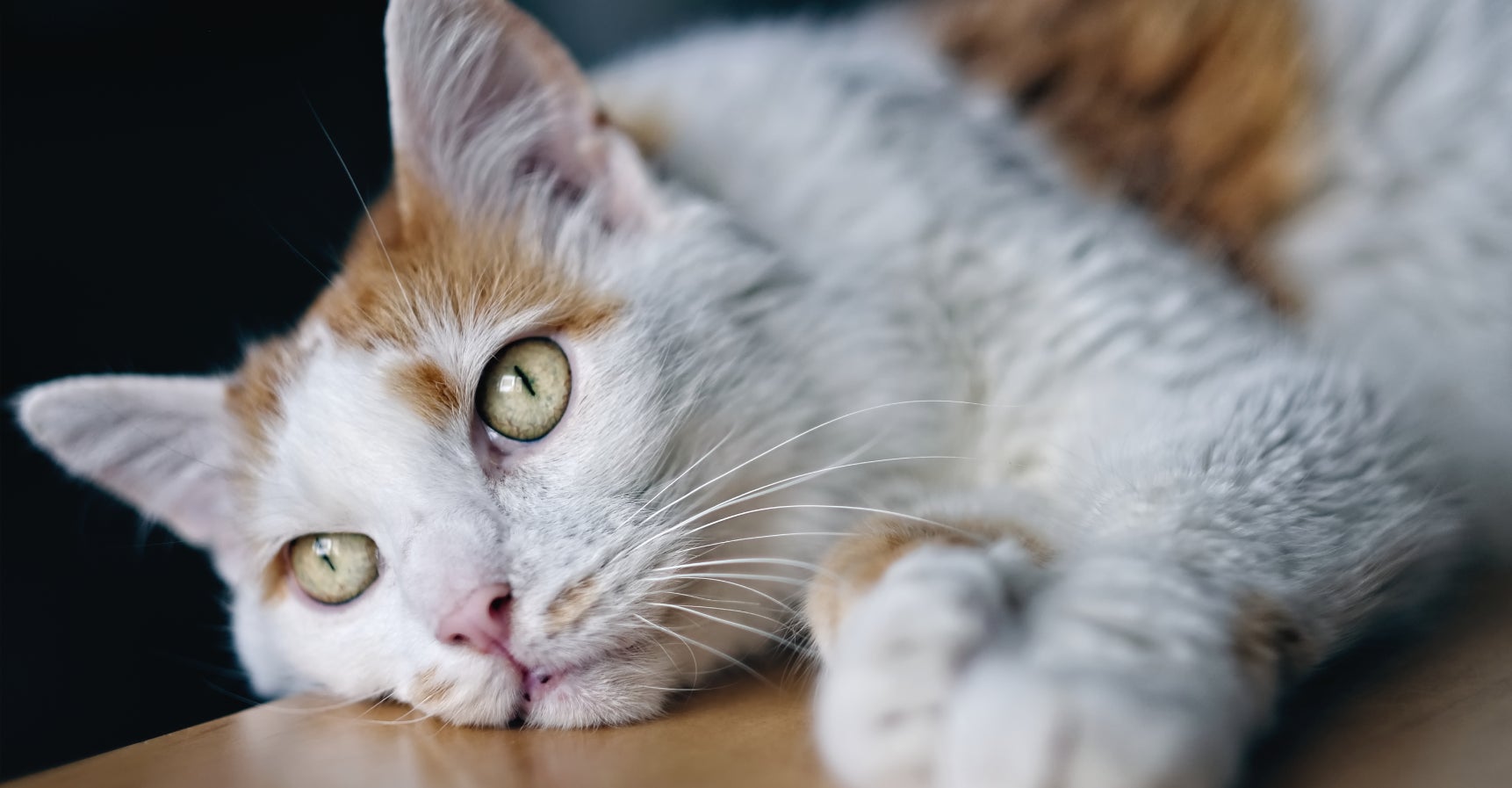
If your cat has started drinking more water, losing weight, or spending more time sleeping than usual, it's natural to wonder if something is wrong. While these changes can happen for several reasons, they may also be early signs of kidney disease.
Cats are experts at hiding illness, so kidney disease often develops quietly. Many pet parents don't notice anything unusual until the disease progresses. Fortunately, recognizing the signs early gives your vet the best chance to diagnose the condition sooner and help your cat maintain a good quality of life.
In this guide, we'll explain what kidney disease in cats is, which symptoms to watch for, why senior cats are at greater risk, and when it's time to have your cat evaluated.
What is kidney disease in cats?
Your cat's kidneys do much more than produce urine. They help filter waste products from the blood, balance fluids and electrolytes, regulate blood pressure, and support overall health.
Kidney disease develops when the kidneys can no longer perform these jobs as well as they should. As kidney function declines, waste products begin building up in the bloodstream, making cats feel sick over time.
The most common form is chronic kidney disease (CKD), which develops gradually over months or years. Less commonly, cats can experience acute kidney injury: a sudden condition caused by illness, infection, toxins, or another medical emergency.
You may also hear the term kidney failure when discussing your cat’s symptoms. While people often use kidney failure and kidney disease interchangeably, kidney failure generally refers to more advanced loss of kidney function. Many cats are diagnosed with chronic kidney disease long before complete kidney failure occurs.
What's the difference between chronic kidney disease and kidney failure?
Chronic kidney disease is a long-term condition that slowly affects the kidneys over time. It's especially common in older cats and often progresses gradually.
Kidney failure describes a more advanced stage of kidney disease where the kidneys can no longer perform many of their normal functions. Some cats are diagnosed before reaching this point, which is why routine veterinary care and recognizing early symptoms are so important.
What about kidney stones or kidney infections?
Kidney stones and kidney infections are different conditions from chronic kidney disease, even though they all affect the kidneys.
Kidney stones develop when minerals in the urine form hard deposits that can interfere with normal kidney or urinary tract function. Treatment depends on the size and location of the stones, as well as whether they're causing discomfort or blocking the flow of urine. Some cats require medications or supportive care, while others may need more advanced treatment.
Kidney infections occur when bacteria infect the kidneys, often causing symptoms such as fever, pain, decreased appetite, lethargy, or changes in urination. Unlike chronic kidney disease, kidney infections are typically treated by addressing the underlying infection, along with supportive care to help your cat recover.
Because the symptoms of kidney disease, kidney stones, and kidney infections can overlap, it's important not to try to determine the cause at home. A veterinary exam and diagnostic testing can identify what's affecting your cat and determine the most appropriate treatment plan.
What are the signs of kidney disease in cats?
One of the biggest challenges with kidney disease is that cats naturally hide when they don't feel well. By the time obvious symptoms appear, they've often been adapting to the condition for quite some time.
The earliest signs can be subtle, making it easy to mistake them for normal aging or changes in routine. Paying attention to small differences in your cat's daily habits can make a meaningful difference.
Drinking more water than usual
Urinating more frequently
Urinating larger volumes
Weight loss
Decreased appetite
Vomiting
Bad breath
Poor or unkempt coat condition
Sleeping more than usual
Low energy
Muscle loss
Dehydration
Not every cat develops all of these symptoms, and they often appear gradually rather than all at once.
What do cat kidney problems look like at home?
Many of the first signs happen during everyday routines.
You may find yourself filling the water bowl more often than usual or noticing much larger clumps in the litter box. Your cat may begin leaving food behind, lose interest in favorite treats, or spend more time resting in quiet places around the house.
Some cats stop grooming themselves as frequently, causing their coat to appear dull or messy. Others lose weight even though they seem to be eating normally, or they begin hiding more often than they used to.
These changes don't automatically mean your cat has kidney disease, but they're worth discussing with your vet — especially if more than one symptom appears or the changes continue over time.
Why are senior cats more likely to develop kidney disease?
While kidney disease can affect cats of any age, it's far more common in older cats. As cats age, their kidneys naturally become less efficient, increasing the likelihood of developing chronic kidney disease over time.
This is one reason routine wellness exams become increasingly important as your cat gets older. In many cases, vets detect changes in kidney function through bloodwork or urine testing before a cat develops obvious symptoms. Early diagnosis gives you more opportunities to monitor the disease and support your cat's long-term health.
Even if your senior cat seems perfectly healthy, regular checkups can help identify kidney disease before it significantly affects their quality of life.
At what age are cats considered at higher risk?
The risk of chronic kidney disease begins increasing as cats enter their senior years, around 7 to 10 years old. It becomes even more common in geriatric cats (15+ years old).
As your cat gets older, your vet may recommend more frequent wellness visits and routine screening tests to monitor kidney function. These visits can help identify problems earlier, often before noticeable symptoms develop.
What causes kidney disease in cats?
In many cases, there's no single reason a cat develops chronic kidney disease. Instead, several factors may contribute over time.
Common causes and risk factors include:
Aging
Genetics
High blood pressure
Previous kidney injury
Certain infections
Dental disease
Exposure to toxins
Other underlying medical conditions
While not every case can be prevented, routine veterinary care and monitoring become increasingly important as cats get older.
What are the stages of kidney disease in cats?
If your cat is diagnosed with chronic kidney disease, your vet may talk about the disease in terms of stages ranging from 1 to 4. These stages describe how well the kidneys are functioning and help guide monitoring and long-term care. They’re determined by the amount of certain biochemical markers present in your cat’s blood and urine.
Cats in the earliest stages of kidney disease often have few or no noticeable symptoms. As kidney function declines, symptoms like increased thirst, weight loss, vomiting, and decreased appetite typically become more apparent.
It's important to remember that a stage isn't a prediction of how your cat will do. Many cats continue living comfortably for years after diagnosis, especially when kidney disease is identified early and monitored regularly.
Why does staging matter?
Staging helps your vet understand how your cat's kidney disease is progressing and determine the best way to monitor their health over time.
It also helps guide recommendations for follow-up visits, laboratory testing, and long-term management. Because kidney disease can progress gradually, regular rechecks allow your vet to adjust your cat's care as their needs evolve.
When should I have my cat evaluated?
Because cats are so good at hiding illness, it's best not to wait until symptoms become severe before scheduling an appointment.
If you've noticed your cat drinking more water, urinating more often, losing weight, eating less, vomiting, sleeping more than usual, or behaving differently, it's worth having them evaluated. Even subtle changes can be an early sign that something isn't right.
Prompt evaluation is especially important for senior cats or if symptoms seem to be worsening over time. Identifying kidney disease early may help your vet develop a plan before significant kidney damage occurs.
At Lovet, we make it easier to get answers with same-day appointments, easy online scheduling, and flexible payment options, so you don't have to keep wondering whether your cat's symptoms are something to worry about.
How is kidney disease in cats treated?
While chronic kidney disease can't be cured, it can often be managed successfully. Treatment focuses on supporting kidney function, managing symptoms, and helping cats maintain a good quality of life for as long as possible.
Depending on your cat's needs, kidney disease treatment may include a therapeutic diet, medications, hydration support, regular monitoring, and ongoing veterinary care. Every cat is different, so your vet will recommend a plan based on your cat's stage of kidney disease and overall health.
What should I do if I think my cat has kidney disease?
Hearing that your cat may have kidney disease can feel overwhelming, but early diagnosis can make a meaningful difference. Many cats with chronic kidney disease continue to live happy, comfortable lives with regular veterinary care and an individualized management plan.
The most important step is paying attention to changes in your cat's daily habits. Increased thirst, changes in the litter box, weight loss, or a decline in appetite may seem minor on their own, but together they can provide important clues about your cat's health.
If you've noticed these changes, don't wait for them to become more severe. Visiting your local Lovet can help determine whether kidney disease or another medical condition is causing your cat's symptoms and provide you with a clear path forward.
Cat kidney disease FAQs
Is kidney disease common in older cats?
Yes. Chronic kidney disease is one of the most common health conditions affecting senior cats. As cats age, their risk increases, which is why routine wellness exams and diagnostic tests become increasingly important.
What are the first signs of kidney disease in cats?
Early signs often include drinking more water, urinating more frequently, weight loss, decreased appetite, sleeping more than usual, vomiting, and changes in grooming or coat condition. Because these symptoms develop gradually, they can be easy for pet parents to overlook.
Can kidney disease in cats be cured?
Chronic kidney disease cannot be cured, but it can often be managed successfully. Early diagnosis and ongoing veterinary care can help support your cat's comfort and quality of life.
How do vets diagnose kidney disease in cats?
Your vet will begin with a physical examination and may recommend bloodwork, urinalysis, blood pressure measurement, or other diagnostic tests to evaluate your cat's kidney function and rule out other possible causes of their symptoms.
DISCLAIMER: Not intended to be a substitute for professional veterinarian advice, diagnosis, or treatment. Always seek the advice of your veterinarian with any questions you may have regarding the medical condition of your pet. If you think your pet has a medical emergency, call or visit your veterinarian or your local veterinary emergency hospital immediately.