

Dog ACL surgery: symptoms, treatment options, recovery, and cost
KEY TAKEAWAYS
A torn ACL (cruciate ligament) can limit comfort and mobility, and the best plan depends on your dog’s size, lifestyle, and knee stability.
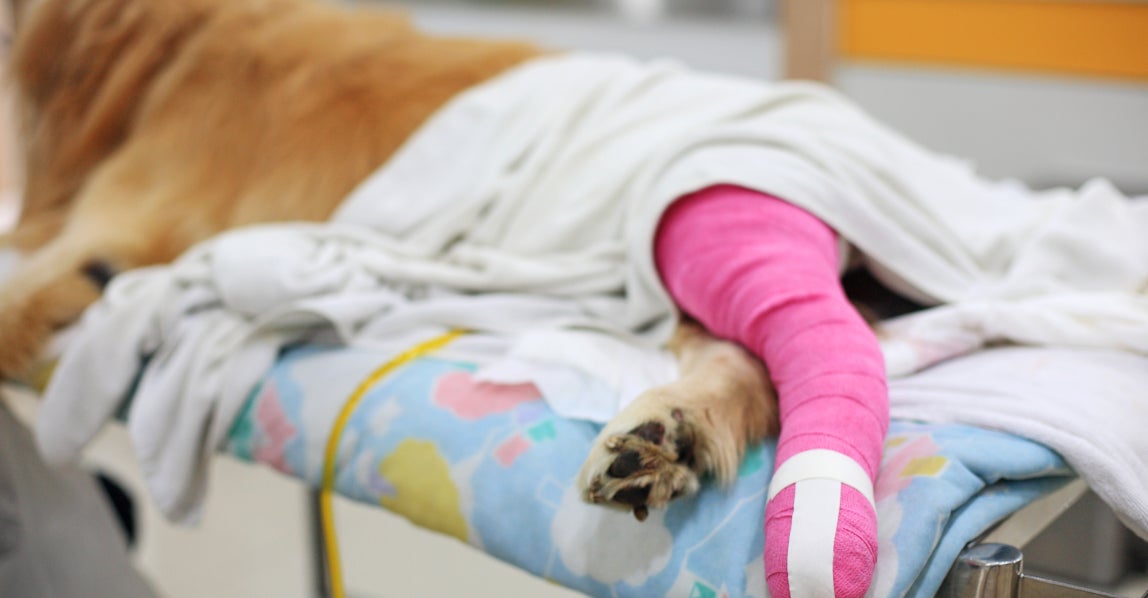
A dog ACL injury usually refers to the cranial cruciate ligament (CCL), a key stabilizer inside the knee. When it tears, dogs may limp, avoid putting weight on the leg, or struggle with stairs and getting up. At Lovet, your vet will conduct an orthopedic exam to rule out other injuries and may recommend imaging to evaluate the joint. A vast majority of patients will have some form of surgical recommendations (TPLO, TTA2, Extracapsular repair).
If there are comorbidities or factors that prevent surgical repair as a primary option, conservative care, and pain control may be recommended. Many families also want to understand what drives cost, how long recovery can take, and what home setup helps. This guide walks through diagnosis, treatment options, cost factors, recovery expectations, and ways to reduce re-injury risk.
In this guide, you’ll learn:
Most “ACL” tears in dogs involve the CCL and can cause limping, stiffness, and trouble with stairs due to knee instability.
Diagnosis includes a sedated orthopedic exam. Imaging may be recommended to assess the joint and rule out other causes.
Treatment focuses on restabilizing the knee: surgery is the best option for a vast majority of patients; conservative care may be an option for patients with comorbidities that limit surgical intervention
Cost depends on the full plan (diagnostics, anesthesia/pain control, procedure type, monitoring, rechecks, rehab), not one step.
Recovery is gradual: restriction + home setup first, then rechecks/rehab and a guided return to activity.
Seek prompt care if your dog can’t bear weight, worsens suddenly, or seems unwell; delays can affect the knee further.
Long-term support includes weight control, strengthening, home traction, and watching the other knee.
This article is meant for educational purposes only and should not replace professional medical advice. For any concerns and professional diagnoses, make an appointment with your vet.
What a dog ACL tear means
In dogs, “ACL” is often used as a shorthand for a cruciate ligament injury in the knee. Understanding the basic anatomy and what changes in the joint can help you make sense of the symptoms and your vet’s recommendations.
ACL vs CCL: the name difference
In dogs, the ligament we think of as an ACL (anterior cruciate ligament) is called the CCL (cranial cruciate ligament). The CCL serves a similar role to the human ACL, by keeping the shin bone from sliding too far forward and limiting twisting in the knee. However, because the terms get used interchangeably, your vet may even say “ACL tear” when discussing a CCL injury.
Common signs pet parents notice
Many dog parents report a confusing, persistent limp: one that improves after rest but then comes back after activity — as the first sign of an ACL tear in their dog. In our hospitals, we also hear pet parents noticing the following signs:
Sudden limping on a back leg
“Toe touching” or difficulty putting weight on the leg
Swelling around the knee
Trouble running, jumping, or climbing stairs
Sitting with one leg extended to the side
When a dog ACL injury is urgent
ACL tears are serious injuries that can affect your dog’s health and mobility if left untreated. Prompt attention can help save your dog discomfort, as well as help reduce the chance of secondary injuries from ongoing instability.
If your dog shows signs of pain or anxiety, has difficulty walking or moving, or exhibits significant swelling in the affected limb, their injury could be severe and urgent veterinary attention could be required. Call your local Lovet to take advantage of a limited same-day or walk-in appointment.
Why ACL tears in dogs happen
ACL tears in dogs happen when the cruciate ligament is damaged: whether that’s from sudden movement like running or jumping or from an increased risk of degradation from age, breed, or weight.
Why the knee becomes unstable
If the cruciate ligament stays damaged, it can't hold your dog’s knee in place like it’s designed to. This means the knee can move in ways it’s not supposed to during regular movement, causing additional damage to the knee joint (especially in the shock-absorbing cartilage called the meniscus) and contributing to mobility issues. Meniscal damage can often be addressed during the ACL repair surgery, which is known as a Tibial plateau leveling osteotomy (TPLO).
Treatment options for dog ACL tears
Treatment is usually aimed at restoring stability and comfort while protecting the joint from further damage. Your vet will weigh factors like body size, activity level, knee stability, and any other health considerations when recommending a plan.
Surgery vs conservative management
Tibial plateau leveling osteotomy (TPLO) surgery is commonly recommended for many dogs with torn ACLs, especially medium-to-large dogs or very active dogs, because it can improve functional stability. Conservative (non-surgical) management may be considered in select cases, which often involves strict activity restrictions, structured rehabilitation, and close monitoring. Even with surgical care, ongoing joint support and long-term management may still be needed.
Rehabilitation (physical therapy) can be beneficial in a surgical and non-surgical care plan by supporting muscle strength, range of motion, and safe progression back to activity. Your Lovet vet may walk you through at-home physical therapy exercises to do with your dog, or they may refer you to a trusted rehab partner in our network.
Factors that shape a treatment plan
Your vet may consider your dog’s weight, age, activity level, and how stable the knee feels on exam. Meniscal injury, concurrent orthopedic issues, and the home environment (stairs, slippery floors, ability to restrict activity) can also shape recommendations. If your dog has other medical conditions, your vet will discuss how those may affect anesthesia planning and recovery.
Cost factors and planning
Cost can feel like a major hurdle, and it helps to understand what’s included in the overall care journey. Planning ahead also reduces surprises, since cruciate care often involves more than a single procedure or visit.
What drives the cost of ACL surgery
Several factors can influence the cost of ACL surgery, including the type of surgical technique recommended, your dog’s size, and the complexity of the case. Diagnostics, anesthesia protocols, pain control, surgical materials, and post-op monitoring can all affect total cost. If additional issues are found, such as meniscal damage, that may also change the scope of your dog’s care plan.
Planning for follow-ups and rehab
Many dogs benefit from scheduled rechecks to monitor healing and adjust activity recommendations. Rehabilitation, whether guided at home or through formal therapy visits, may be part of the plan to support strength and safe mobility. When you’re planning, think about transportation, time for short leash walks, and any home modifications you might need during the restricted period.
Questions about estimates and timing
At Lovet, we want you to feel 100% confident about your dog’s ACL care plan. That’s why we provide a care estimate for all procedures. Estimates are designed to give you an idea of what your total cost may be, but your total cost may differ from the estimate based on how the procedure goes and how your dog tolerates anesthesia and pain medication.
Depending on your dog’s outlined care plan, there may be some flexibility in timeline between surgery, physical therapy, or other recommendations — which could translate to less upfront costs. Ask your vet about timeline options, especially if you need to plan around work, travel, or caregiving responsibilities. And, for additional flexibility to pay for your dog’s ACL surgery over time, ask your vet about Lovet Pay: payment plans with a 99% approval rate.
Recovery timeline and home care
Recovery is usually a gradual process with milestones, not an overnight switch back to normal activity. The goal is to protect the repaired tissues while they heal while rebuilding overall strength in your dog’s affected leg.
Typical recovery milestones
Many dogs start using the leg more consistently as pain is controlled and healing progresses, but the pace varies by procedure and individual. Early recovery often focuses on:
Strict rest
Short, controlled potty breaks
Preventing slips or sudden bursts of activity
Your vet will outline when activity can safely increase, and what signs suggest your dog is doing too much too soon.
Activity restrictions and home setup
Most recovery plans include a strict restriction phase to protect the knee and any surgical repair. Practical steps include using a leash for all outdoor breaks, blocking stairs, and setting up a small, non-slip area for rest. Rugs or traction mats can help on slick floors, and ramps may reduce jumping onto furniture or into vehicles.
Rechecks, rehab, and return to activity
Recheck appointments help your vet evaluate progress, which determines when to increase walk length and introduce strengthening exercises. Rehab may include guided range-of-motion work, controlled strengthening, and gradual return to normal activities based on your vet’s timeline.
Risks and realistic outcome expectations
It’s normal to want a clear promise about outcomes, but recovery and long-term function vary by dog and situation. A realistic view of benefits, limitations, and long-term joint care can help you and your family plan confidently for your dog’s recovery.
Potential complications to be aware of
All surgical procedures carry risks, including infection, bleeding, anesthesia complications, or delayed healing. Risk usually increases with your dog’s age, existing health issues, or the complexity of their injury. Your vet will explain potential risks and benefits based on your pet’s condition.
How vets define a successful outcome
Success is usually measured by improvement in comfort, better limb function, and a return to appropriate daily activities. Some dogs regain strong mobility for walks, play, and family life, while others may have lingering stiffness or need ongoing conditioning. Our vets will be looking at your dog’s overall function and quality of life, rather than if their knee or ligament is “perfect.”
Long-term joint health considerations
Even with treatment, many dogs benefit from long-term joint support strategies such as weight management, safe exercise routines, and periodic veterinary check-ins. Protecting the joint long-term often includes keeping muscles strong and avoiding repetitive high-impact activities.
Due to damage or just as part of normal aging, some dogs may develop arthritis in the affected limb over time. In this case, your vet can help you recognize and manage flare-ups.
What delaying care can affect
Waiting to start an ACL care plan can allow ongoing knee instability, which may increase strain on the meniscus and surrounding tissues. Some dogs compensate by shifting weight to other limbs, which can stress hips, back, or the opposite knee. Even if you’re still deciding on surgery, an exam can help ensure your dog’s pain is addressed and that you have a plan for future action.
Keeping your dog comfortable while scheduling
Until your appointment, prioritize strict rest and prevent running, jumping, and stair-climbing as much as possible. Keep walks for bathroom breaks only, as short as possible, and always use a leash. If you have slippery tile or hardwood floors, consider non-slip booties or temporary mats to reduce the risk of falls. For pain control, use only medications your veterinarian has recommended for your dog.
Reducing the chance of re-injury
Most dogs do very well after surgery, but re-injury is still a factor to consider in their healing. Dogs who have had CCL surgery can be more prone to soft tissue injury. A small percentage of dogs who have had ACL may experience a meniscal tear later on in life as well.
To avoid re-injury in your dog, focus on lowering strain on their knee and building stable, balanced movement. Small daily habits often matter as much as big changes, especially during and after recovery.
Weight management and muscle support
Extra weight increases load on the knees, so maintaining a healthy body condition can reduce stress on joints and ligaments. Controlled, consistent exercise helps rebuild muscle that stabilizes the knee, but intensity should increase only as your vet advises. Nutrition and activity plans should similarly be tailored to your dog’s condition based on your vet's advice.
Home adjustments and movement habits
Slippery floors and uncontrolled access to stairs are common triggers for re-injury and setbacks. Add traction where your dog runs, use gates to limit access, and consider ramps to reduce jumping. During play, favor controlled games like tug over zoomies-driven sharp turns and sudden sprints until your vet confirms it’s safe.
Monitoring the opposite knee
Due to compensation or favoring, some dogs may later develop injury in the other knee, so pay attention to subtle limping, stiffness after rest, or reluctance to jump. Keeping the whole body strong and maintaining a healthy weight may help reduce risk. If you notice new or changing signs, a timely exam can catch issues early.
We're here to help
ACL injuries are serious and require prompt care for the best outcomes. At Lovet, we’re committed to helping restore mobility to dogs affected by ACL injuries and providing flexibility to pet parents facing an unexpected surgery bill.
Our network of veterinarians has 40+ years of experience with simple and complex ACL injury cases and can help build a custom plan for your dog’s unique condition. And, with Lovet Pay, you can get the personalized flexibility you need to pay for TPLO surgery over time. Book your appointment today.
FAQs
What should I do before my appointment if I suspect a torn ACL?
Limit activity to short, leashed potty breaks and prevent jumping, stairs, and slippery-floor running. Note when the limp started, what makes it worse, and any recent slips or jumps so you can share details with your vet.
What signs suggest the meniscus might be involved?
Some dogs show a painful ‘click,’ sudden worsening after an initial limp, or difficulty improving with rest. Your vet can explain how meniscal injury is evaluated and how it may change the treatment plan.
How long will my dog need close supervision at home?
The first few weeks typically require the most oversight to prevent jumping, stairs, and off-leash movement. Ask your vet what supervision level is needed for your dog’s plan and how to handle workdays, potty breaks, and confinement safely.
How can I keep my dog calm during recovery?
Ask your vet about low-movement enrichment like food puzzles, lick mats, short training sessions in place, or scent games that don’t involve running. Keeping routines predictable and using safe confinement can also reduce sudden bursts of activity. If your pup is super active, your vet may also send home calming medication for their recovery so that they have less “fear of missing out” at playtime.
How do I know if my dog tore their ACL?
Mild ACL tears can be tough to spot or easily confused with other issues. Many dog parents notice limping, swelling in the knee, difficulty bearing weight, and reluctance to run or jump.
How long does recovery from ACL surgery take for dogs?
Recovery from ACL surgery depends on the complexity of your dog’s case and the extent of the surgery. On average, most dogs recover over 8–12 weeks after procedures like TPLO surgery, though improvement often begins within the first few weeks.
Can a dog recover from an ACL tear without surgery?
For the best long-term outcomes and stability, knee stabilizing surgery is the most recommended treatment for dogs with CCL injuries.
How much does ACL surgery cost for dogs?
Costs for dog ACL surgery vary based on surgery type, dog size, diagnostic testing, pain management, and post-op monitoring. Total costs for managing your dog’s ACL injury may also include follow-up care, physical therapy, or supplies like braces or non-slip traction mats.
Disclaimer: Not intended to be a substitute for professional veterinarian advice, diagnosis, or treatment. Always seek the advice of your veterinarian with any questions you may have regarding the medical condition of your pet. If you think your pet has a medical emergency, call or visit your veterinarian or your local veterinary emergency hospital immediately.