

Beat the heat: build or renovate your dog house
KEY TAKEAWAYS
A doghouse should never replace a safe indoor environment during extreme heat. If you’re building or updating one, focus on airflow, shade, and safety, and know when to seek veterinary guidance.
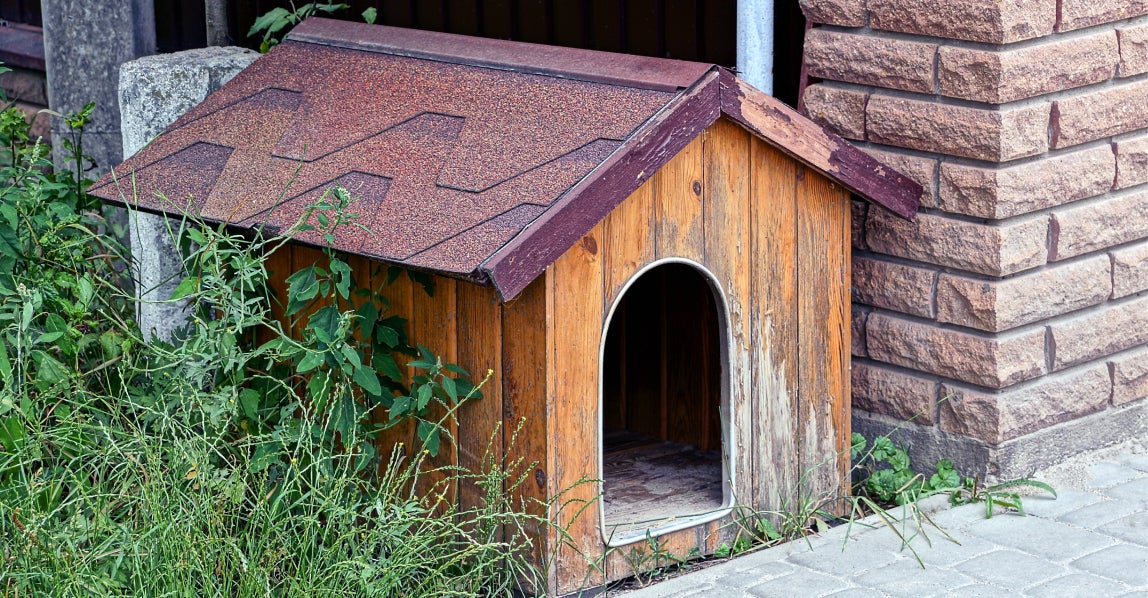
Summer heat has a way of making pet parents second-guess their setup. You might look at your dog’s outdoor space and wonder, “Is this actually keeping them safe?”
That question matters more than it seems. A doghouse can help with shade and comfort, but it’s not a complete solution for high temperatures. In some cases, it can actually trap heat and make things worse.
If you’re building or updating a doghouse, your dog’s comfort and safety should factor equally into the design. And, if you’re unsure whether your dog is handling the heat well, getting guidance from a veterinarian can help you make the right call sooner rather than later.
Do you even need a doghouse in hot weather?
In hot weather, a doghouse isn’t always the safest option. Enclosed spaces can heat up quickly, especially without strong airflow. What feels shaded from the outside may still be dangerously warm inside.
For most dogs, the safest place during peak heat is indoors in a climate-controlled space. A doghouse should be thought of as a temporary shelter, not a primary environment during hot days.
If your dog spends time outside, what matters most is flexibility. They should be able to move freely between shade, water, and a cooler indoor space when needed.
What to consider before building or updating a doghouse
Before starting any build, it’s worth checking local requirements or HOA guidelines for outdoor structures.
Then, you'll want to understand how your dog actually behaves in the heat. Are they seeking shade, or trying to get back inside? Are they comfortable outside for short periods, or showing signs of stress quickly?
Those answers should guide your decisions. A well-built doghouse can help in mild conditions, but it shouldn’t replace access to safer, cooler environments.
Making a doghouse safer for hot weather: how to keep doghouse cool
If you decide to build or improve a doghouse, focus on reducing heat buildup and improving comfort. Small design choices can make a meaningful difference.
Why does ventilation matter so much?
Airflow is one of the biggest factors in heat safety. Without it, a doghouse can trap hot air and become even warmer than the temperature outside.
Adding multiple openings — like a doorway plus vents or small windows — helps heat escape and keeps fresh air moving through the space.
What kind of shade and roof works best?
A solid roof is essential, but positioning matters just as much. The doghouse should be placed where it avoids direct sunlight throughout the day, not just part of it.
Natural shade from trees or a covered structure can help reduce heat exposure and keep the space more stable.
How to make sure your dog always has water
Constant access to fresh, clean water is non-negotiable in warm weather. Your dog should be able to reach water easily at all times, whether they’re inside the doghouse or outside of it.
If you notice your dog isn’t drinking or seems lethargic in the heat, call your vet right away. It could be a sign of heat-related illness or dehydration.
How to keep pests out
Warm, shaded areas can attract fleas, ticks, and other pests. Regular cleaning helps reduce that risk and keeps the space more comfortable for your dog.
If you’re seeing signs of pests in the doghouse or skin irritation on your dog, it may be a sign that the setup needs to change. (And is a good reminder that your dog should be on flea and tick prevention year-round!)
When is it too hot for dogs to be outside?
This is where many pet parents hesitate, but the reality is simple: if it feels too hot for you, it’s likely too hot for your dog.
High temperatures can lead to heat exhaustion or heatstroke quickly, especially for breeds with short snouts (brachycephalic), older dogs, or pets with underlying health conditions.
A doghouse does not protect against extreme heat. On hot days, your dog should be indoors with access to air conditioning or a cooler environment.
When to talk to a veterinarian
Some signs are easier to miss than you’d expect. Excessive panting, low energy, vomiting, or unusual behavior can all point to heat-related stress.
This is often the moment where pet parents think, “Is this something, or is it nothing?” That uncertainty is exactly when it helps to talk to a veterinarian.
How we can help
Heat safety is about knowing what to look for and when to act. At Lovet, we offer sick and urgent care, preventative care, and ongoing guidance to help you make confident decisions for your dog.
Whether you’re dealing with a possible heat issue or just want reassurance about your setup, we’re here to help you move forward with clarity.
If something doesn’t feel right, you can schedule an appointment at a location near you to get answers quickly.
Doghouse and heat safety FAQs
Is a doghouse safe in hot weather?
Not always. Doghouses can trap heat, especially without proper ventilation. They should only be used for short-term shade, not as a primary space in high temperatures.
Can dogs overheat in a doghouse?
Yes. Enclosed spaces can heat up quickly, increasing the risk of heat exhaustion or heatstroke.
How can I make my dog’s outdoor space safer?
Focus on shade, airflow, and constant access to water. Even with improvements, outdoor setups should not replace indoor cooling during hot weather.
When should I bring my dog inside?
If temperatures are high or your dog shows any signs of heat stress, bring them inside immediately and contact a veterinarian if symptoms continue.
DISCLAIMER: Not intended to be a substitute for professional veterinarian advice, diagnosis, or treatment. Always seek the advice of your veterinarian with any questions you may have regarding the medical condition of your pet. If you think your pet has a medical emergency, call or visit your veterinarian or your local veterinary emergency hospital immediately.