

Ear mites in cats: symptoms, treatment, and what to do
KEY TAKEAWAYS
Ear mites are common and treatable, but symptoms can overlap with infections. Knowing what to look for helps you decide when your cat needs care.
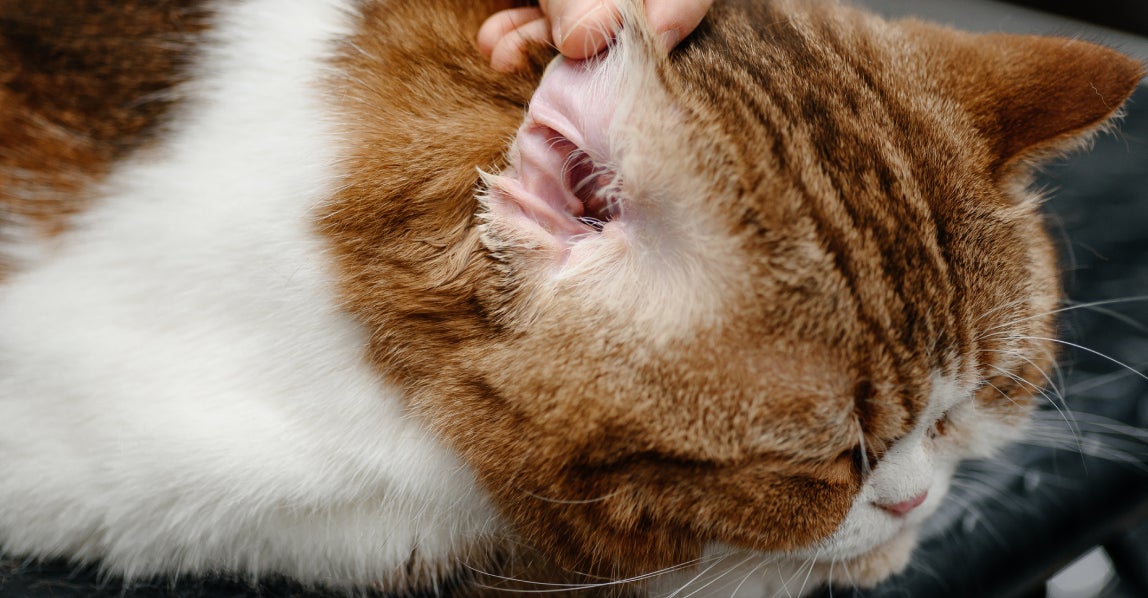
What are ear mites in cats and how do they happen?
Ear mites are tiny parasites that live inside a cat’s ear canal. They feed on wax and oils in the ear and can spread quickly between pets through close contact. While they’re small, they can cause a lot of irritation, especially if they aren’t treated early.
If your cat suddenly starts scratching their ears more than usual or shaking their head, ear mites may be the reason. The good news is that ear mites in cats are common, treatable, and usually very manageable with the right vet care.
How do cats get ear mites?
Cats usually get ear mites from other animals. They spread easily in multi-pet households, shelters, outdoor environments, and places where cats spend time close together.
Kittens and outdoor cats tend to be more at risk, but indoor cats can get them too — especially if another pet in the home has mites. Because ear mites are contagious, veterinarians often recommend checking all pets in the household if one pet shows symptoms.
Are ear mites common?
Yes. Cat ear mites are one of the most common causes of ear irritation in cats, especially younger cats. Many pet parents first notice something is wrong because their cat suddenly seems uncomfortable or restless.
Sometimes the signs are obvious. Other times, symptoms can look similar to an ear infection or allergies, which is why an exam can help confirm what’s actually going on.
What are the most common signs of ear mites in cats?
Ear mites can start with mild symptoms and become more uncomfortable over time, especially if scratching leads to irritation or infection.
Signs of ear mites in cats often include:
Frequent ear scratching
Head shaking
Dark brown or black debris inside the ears
Redness or irritation around the ear canal
Sensitive or painful ears
Strong odor from the ears
Hair loss around the ears from scratching
Some cats also become more withdrawn or irritable because their ears feel uncomfortable.
One of the most recognizable symptoms is dark, crumbly debris that looks similar to coffee grounds. While that can point to ear mites, it can also happen with ear infections, which is why diagnosis matters.
How can I check for ear mites at home?
You can gently look inside your cat’s ears in a well-lit room. Healthy ears are usually pale pink and relatively clean. If you notice dark debris, redness, swelling, or your cat reacts painfully when touched, it’s worth having them seen.
Try not to insert cotton swabs or attempt deep cleaning at home. This can irritate the ear canal further or push debris deeper into the ear.
If you’re unsure whether what you’re seeing is normal, Lovet veterinarians can examine your cat’s ears and help you figure out the next step. If symptoms seem uncomfortable or persistent, schedule an appointment online.
Could it be something other than ear mites?
Not every itchy ear is caused by mites. Ear infections, allergies, yeast overgrowth, skin conditions, and trapped debris can cause similar symptoms.
That’s why it’s important not to assume every case of scratching automatically means ear mites. Treatment depends on the underlying cause, and using the wrong products can sometimes make irritation worse.
How do ear mites compare to ear infections?
Ear mites and ear infections can look very similar at home. Both may cause scratching, discharge, redness, and head shaking. The difference is that infections are usually caused by bacteria or yeast, while mites are parasites.
Sometimes cats can even develop both at the same time because irritation from mites creates inflammation inside the ear.
A veterinarian can usually tell the difference by examining debris from the ear under a microscope.
Because symptoms overlap so closely, getting answers early can help your cat feel better faster. If your cat’s ears seem painful, irritated, or suddenly different, reach out to your local Lovet.
When should I have my cat seen?
Mild scratching once or twice usually is not an emergency. But ongoing symptoms should not be ignored, especially if your cat seems uncomfortable.
What symptoms mean it’s time to seek care?
It’s a good idea to have your cat seen if you notice:
Persistent scratching or head shaking
Dark discharge inside the ears
Bleeding or scabbing around the ears
Swelling or strong odor
Loss of balance or unusual behavior
Pain when touching the ears
Cats are good at hiding discomfort, so even subtle changes can matter.
Why early care makes treatment easier
Ear mites are easier to treat before inflammation becomes severe or secondary infections develop. Early treatment can also reduce the chances of spreading mites to other pets in the household.
Many pet parents wait because they hope symptoms will improve on their own. But when irritation continues, cats often become increasingly uncomfortable.
The sooner your cat is evaluated, the sooner you can get a clear diagnosis and treatment plan. Lovet offers limited same-day appointments for sick and urgent needs, which can make it easier to get answers without waiting days for care.
How are ear mites treated in cats?
Treatment for most cases of ear mites in cats is straightforward once the diagnosis is confirmed. Treatment focuses on eliminating the mites, reducing irritation, and treating any secondary infection if present.
What does ear mite treatment for cats involve?
Treatment may include:
Prescription ear drops
Topical parasite medication
Ear cleaning performed safely by a veterinary team
Medication for inflammation or infection if needed
Your veterinarian may also recommend treating other pets in the household because ear mites spread easily between animals.
It’s important to finish the full treatment plan even if symptoms improve quickly. Stopping treatment too early can allow mites to return.
How long does it take to cure ear mites in cats?
Most cats improve noticeably within a few days after treatment starts, but complete resolution can take several weeks depending on severity.
Follow-up visits are sometimes recommended to make sure the mites are gone and the ears are healing properly. Cats with severe irritation or secondary infections may need additional treatment.
If you’re worried about cost, Lovet offers flexible payment options that can help make unexpected vet visits easier to manage.
Can ear mites go away on their own?
Usually not. Without treatment, mites often continue reproducing and causing irritation inside the ear canal.
In some cases, untreated ear mites can lead to infections, wounds from scratching, or more serious inflammation. Home remedies and over-the-counter products may not fully eliminate mites and can sometimes irritate sensitive ears further.
If symptoms continue for more than a day or two, it’s safest to have your cat evaluated rather than trying to manage it alone.
How can I prevent ear mites in the future?
You cannot prevent every case of ear mites, but a few habits can lower the risk:
Keep up with routine wellness visits
Monitor your cat’s ears regularly
Treat parasite issues early
Wash bedding if another pet has mites
Separate infected pets during treatment when possible
For cats who spend time outdoors or live with multiple pets, regular ear checks can help catch problems early before symptoms become more severe.
Preventative vet care also makes it easier to spot subtle changes before your cat becomes uncomfortable. If your cat is due for an exam or you’ve noticed recurring ear issues, call your local Lovet.
What should I expect at a visit?
Many pet parents feel anxious before bringing their cat in for ear problems because they are not sure what the visit will involve. In most cases, diagnosing ear mites is fairly quick and straightforward.
Your veterinarian will examine your cat’s ears, ask about symptoms, and look for signs of mites, infection, or inflammation. A sample of ear debris may be examined under a microscope to confirm the diagnosis.
If ear mites are present, your veterinarian will explain the treatment plan, how to give medication safely, and whether other pets in the household should also be treated.
The goal is to help your cat feel better quickly while making sure you leave with clear answers and a plan that feels manageable. If your cat has been scratching or showing signs of ear discomfort, we're here to help you figure out what’s going on and what to do next.
Ear mites in cats FAQs
How do I know if my cat has ear mites?
Look for itching, head shaking, and dark debris in the ears. A veterinarian can confirm the diagnosis.
How do you treat ear mites in cats?
Treatment includes prescription medication and ear cleaning to eliminate mites.
Can ear mites go away on their own?
No, they require treatment and can worsen without care.
Are ear mites contagious to other pets?
Yes, they spread easily and often affect multiple pets in the same household.
DISCLAIMER: Not intended to be a substitute for professional veterinarian advice, diagnosis, or treatment. Always seek the advice of your veterinarian with any questions you may have regarding the medical condition of your pet. If you think your pet has a medical emergency, call or visit your veterinarian or your local veterinary emergency hospital immediately.