

Ear mites vs ear infection in cats: how to tell the difference
KEY TAKEAWAYS
Ear mites and ear infections can look similar, but they require different treatment. Knowing the difference helps you decide when your cat needs to be seen.
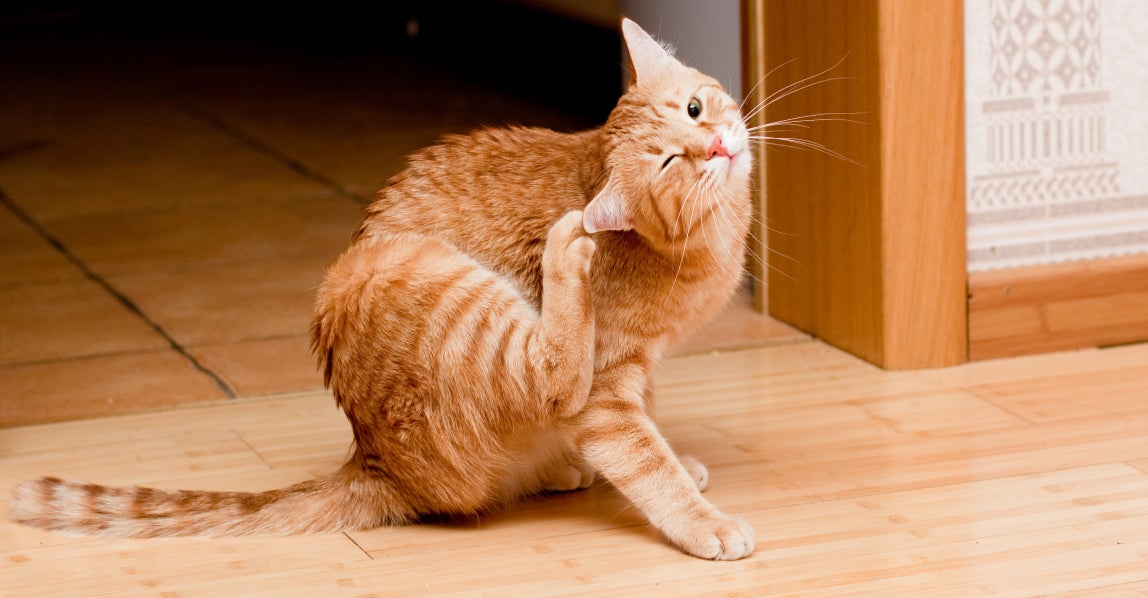
How can I tell if my cat has ear mites or an ear infection?
If your cat is scratching their ears, shaking their head, or just acting off, it’s normal to wonder what’s going on. Ear mites and ear infections are two of the most common causes — and they can look surprisingly similar at first.
The key difference comes down to what’s causing the irritation. Ear mites are tiny parasites, while ear infections are typically caused by bacteria or yeast. But from the outside, both can show up as itching, discharge, or discomfort. That’s why many pet parents aren’t sure what they’re dealing with.
The good news is you don’t have to figure it out on your own. A quick visit with a veterinarian can confirm what’s going on and get your cat the right treatment.
What do ear mites in cats look like?
Ear mites are very small parasites that live inside your cat’s ear canal. They’re highly contagious and spread easily between pets, especially in multi-pet households.
What symptoms should I look for with ear mites?
Cats with ear mites are usually very itchy. You might notice:
Frequent scratching at the ears
Head shaking
Dark, crumbly debris that looks like coffee grounds
Irritation or scabbing around the ears
That dark debris is a tell-tale sign of ear mites. It’s a dry-looking mix of wax, blood, and mite waste that doesn’t appear in anything but a mite infestation.
How do cats get ear mites?
Most cats get ear mites from direct contact with another animal. This can happen at home, in shelters, or even during brief interactions with other pets. Because they spread so easily, it’s common for more than one pet in a household to be affected.
What does an ear infection in cats look like?
Ear infections are caused by bacteria or yeast, and tend to look like it: swollen, irritated, moist, and generally “funky.”
What symptoms point more toward an infection?
While there’s some overlap, ear infections often come with:
Redness or swelling inside the ear
A strong odor
Yellow, green, or moist discharge
Sensitivity when touched
Instead of constant scratching, cats with infections may pull away or react when their ears are handled.
Can ear infections be caused by mites?
Yes, they can. Ear mites irritate the ear canal, and that irritation can lead to a secondary infection if left untreated. This is one reason why symptoms can overlap and become harder to interpret over time.
What are the key differences between ear mites and ear infections?
At a glance, both conditions can look similar. But a few details can help point you in the right direction.
What’s different about the discharge, smell, and behavior?
Ear mites: dry, dark debris with intense itching
Ear infections: moist discharge, noticeable odor, more pain than itch
Behavior can also differ. Cats with mites tend to scratch constantly, while cats with infections may seem more uncomfortable or sensitive.
Why is it easy to confuse the two?
Because both conditions affect the same area, they often trigger similar reactions. And once irritation builds, the symptoms can start to overlap even more. That’s why visual checks at home can only go so far.
When should I have my cat seen?
If your cat’s symptoms don’t improve quickly, or seem to be getting worse, it’s time to have them seen.
What symptoms mean it’s time to seek care?
Look for:
Ongoing scratching or head shaking
Signs of pain or sensitivity
Discharge, odor, or swelling
Changes in balance or behavior
These signs usually mean your cat needs more than at-home observation.
Why getting the right diagnosis matters
Ear mites and ear infections require completely different treatments. Treating the wrong condition can delay relief and make symptoms worse.
At Lovet, we make it easy to get answers quickly with same-day appointments and straightforward care plans designed around you and your pet. Schedule an appointment today!
How are ear mites and ear infections treated?
Treatment depends entirely on the diagnosis.
Ear mites are typically treated with prescription antiparasitic medications and sometimes ear cleaning to remove debris. Ear infections, on the other hand, are treated with antibiotics or antifungal medications, depending on the cause.
If you think your cat may have ear mites specifically, it helps to understand what treatment looks like and how long recovery can take. You can learn more about ear mite symptoms and treatment in our guide to ear mites in cats.
Ear mites vs ear infection FAQs
How can I tell if my cat has ear mites or an infection?
Ear mites usually cause intense itching and dark debris, while infections often cause redness, odor, and pain. A veterinarian exam is the best way to confirm.
Can ear mites turn into an ear infection?
Yes. Irritation from mites can lead to a secondary infection if not treated.
Do ear mites and ear infections require different treatment?
Yes. Ear mites are treated with antiparasitic medication, while infections require antibiotics or antifungals.
Should I have my cat seen for ear symptoms?
If symptoms persist or your cat seems uncomfortable, it’s time to have them evaluated.
DISCLAIMER: Not intended to be a substitute for professional veterinarian advice, diagnosis, or treatment. Always seek the advice of your veterinarian with any questions you may have regarding the medical condition of your pet. If you think your pet has a medical emergency, call or visit your veterinarian or your local veterinary emergency hospital immediately.