

Is my dog getting older or is it cognitive dysfunction?
KEY TAKEAWAYS
Normal aging may slow your dog down, but confusion, disorientation, and significant behavior changes aren't expected. Understanding the difference and know when to seek vet care.
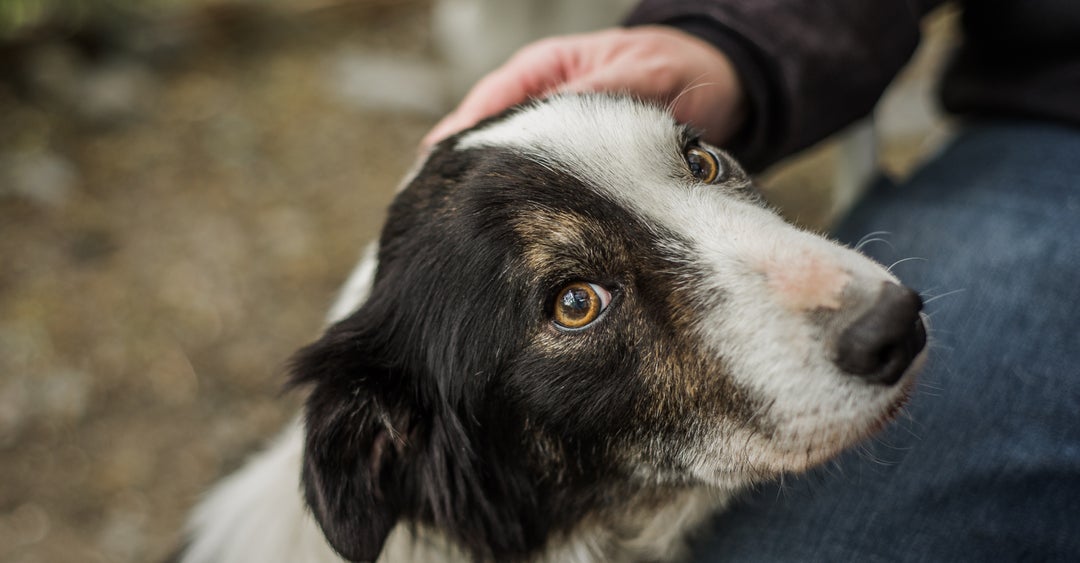
As dogs get older, it's normal to notice a few changes. Maybe they're sleeping more than they used to, taking shorter walks, or moving a little slower after a nap.
But what if your dog seems confused? What if they're pacing at night, forgetting familiar routines, or acting differently around the family?
That's when many pet parents start asking the same question: “Is this just old age, or is something more going on?”
The truth is that while aging naturally changes your dog's body, it shouldn't significantly change their memory, awareness, or personality. Knowing the difference can help you decide when it's time to have your dog evaluated.
At Lovet, we know how worrying these changes can be. If your senior dog isn't acting like themselves, our veterinarians can help you find answers and recommend the next steps.
Is my dog slowing down, or is something else going on?
Growing older doesn't look the same for every dog. Some stay active well into their senior years, while others naturally become quieter and more relaxed.
Many age-related changes are completely expected. Others aren't.
The key is looking at what, if anything, has changed.
What's considered normal aging?
As dogs age, it's common for them to:
Sleep more throughout the day
Tire more quickly on walks
Move a little slower because of stiff joints
Lose some hearing or vision
Prefer relaxing over high-energy play
These changes usually happen gradually. Your dog is still excited to see you, remembers their daily routine, and knows how to navigate your home.
In other words, they may be slowing down physically, but they're still themselves.
What behavior changes aren't part of normal aging?
Some changes deserve a closer look because they involve your dog's memory, awareness, or behavior rather than simply their energy level.
If your dog seems confused or starts doing things they've never done before, it's worth paying attention.
Signs that may indicate something more than aging
Behavior changes can look different from dog to dog, but some of the most common include:
Getting stuck behind furniture or in corners
Staring at walls or into space
Pacing or wandering at night
Having accidents in the house after years of being housetrained
Forgetting familiar routines
Becoming unusually anxious or clingy
Showing less interest in family members
Appearing confused in familiar places
One or two of these changes doesn't necessarily mean canine cognitive dysfunction, which can sometimes be called dog dementia. However, if you're noticing a pattern — or the behaviors are becoming more frequent — it's a good idea to schedule a veterinary visit.
For example, an older dog may take longer to walk to the back door because their joints are stiff. A dog experiencing cognitive changes may forget where the back door is altogether.
That's an important difference. Your vet will use nuances like this to rule out other explanations for your dog’s behavior.
Could something besides dementia be causing these changes?
Behavior changes can be unsettling, but they don't automatically mean your dog has dementia.
In fact, several health conditions can cause confusion, anxiety, changes in routine, or a loss of interest in everyday activities. Some are related to aging, while others may need treatment.
That's why it's important not to jump to conclusions based on behavior alone.
Several health conditions can cause similar symptoms
Think about how your dog experiences the world. If they suddenly can't see or hear as well, they may seem confused. If they're living with chronic pain, they may become withdrawn or irritable. Even changes inside the brain or nervous system can affect how they interact with their surroundings.
Some conditions that can look similar to dog dementia include:
Arthritis or other chronic pain
Vision or hearing loss
Diabetes or kidney disease
Brain tumors
Vestibular disease
Because many of these conditions share similar symptoms, the best way to understand what's causing the changes is through a veterinary evaluation — not by trying to diagnose your dog at home. If your dog is also experiencing weakness, difficulty walking, seizures, or balance problems, those may point to a neurological condition rather than normal aging.
What happens at the veterinarian?
If you're worried about your dog's behavior, you don't need to have all the answers before making an appointment. Your veterinarian's job is to help determine whether the changes are related to aging or another health condition.
At Lovet, the appointment experience starts with a conversation about what you've been noticing at home. Even small details — like when the changes started or whether they're getting worse — can help paint a clearer picture.
How veterinarians find the cause
Your veterinarian will perform a physical exam and ask questions about your dog's daily routine, behavior, appetite, sleep, and overall health.
Depending on what they find, they may also recommend bloodwork or other tests to rule out common medical conditions that can affect behavior.
If the symptoms suggest a neurological problem, additional testing or referral may be recommended.
The goal isn't to understand why they're behaving differently so they can receive the right care, not just to diagnose them.
Many pet parents leave these appointments feeling relieved. Whether the answer is normal aging, cognitive dysfunction, or another health condition, having a plan can make the situation feel much less overwhelming.
At Lovet, our veterinarians take the time to listen to your concerns, answer your questions, and help you understand what your dog is experiencing. If your senior dog has started acting differently, we're here to help.
When should I be concerned?
It can be hard to know when a behavior change is serious enough to call the veterinarian. If the change is new, becoming more frequent, or simply doesn't seem like your dog, it's worth paying attention.
You know your dog better than anyone. If your instincts are telling you something isn't right, don't ignore them.
Signs it's time to schedule a visit
Schedule a veterinary appointment if your dog is:
Frequently confused or disoriented
Having accidents in the house after years of being housetrained
Pacing or wandering at night
Forgetting familiar routines
Becoming unusually anxious, clingy, or withdrawn
Showing noticeable changes in personality
Acting differently for more than a few days without an obvious explanation
Some symptoms shouldn't wait for a routine appointment. Contact a veterinarian as soon as possible if your dog develops:
Sudden confusion
Seizures
Difficulty walking or standing
Loss of balance
Collapse
These symptoms are less likely to be caused by normal aging and may indicate another medical condition that needs prompt care.
If you're unsure whether your dog's behavior is part of getting older or something more, don't wait until the changes become severe. At Lovet, our veterinarians can evaluate your dog's symptoms, answer your questions, and help you decide on the best next steps. With same-day appointments available at many locations, getting answers is easier than you might think.
Dog behavior changes FAQs
Are behavior changes normal in older dogs?
Some changes are. Older dogs often sleep more, move more slowly, and have less energy than they did when they were younger. However, confusion, getting lost in familiar places, or forgetting routines aren't considered normal parts of aging and should be evaluated by a veterinarian.
What are the first signs of dog dementia?
Early signs often include pacing at night, staring into space, forgetting familiar routines, having accidents in the house, or seeming confused in familiar places. These symptoms don't always mean your dog has dementia, but they are worth discussing with your veterinarian.
How can I tell if my dog has cognitive dysfunction or is just getting older?
Normal aging mostly affects your dog's body, while cognitive dysfunction affects their memory and behavior. If your dog seems confused, forgets routines, or behaves differently than they used to, it's a good idea to have them evaluated.
Should I take my senior dog to the veterinarian for behavior changes?
Yes. Even subtle behavior changes are worth discussing, especially if they're becoming more frequent or affecting your dog's daily life. Your veterinarian can determine whether your senior dog’s changes are part of normal aging or caused by an underlying health condition.
DISCLAIMER: Not intended to be a substitute for professional veterinarian advice, diagnosis, or treatment. Always seek the advice of your veterinarian with any questions you may have regarding the medical condition of your pet. If you think your pet has a medical emergency, call or visit your veterinarian or your local veterinary emergency hospital immediately.