

New World screwworm: what pet parents need to know
KEY TAKEAWAYS
The risk of NWS to pets is currently low, but pet parents living in or traveling to the southwest should be aware of the risk and monitor wounds carefully.
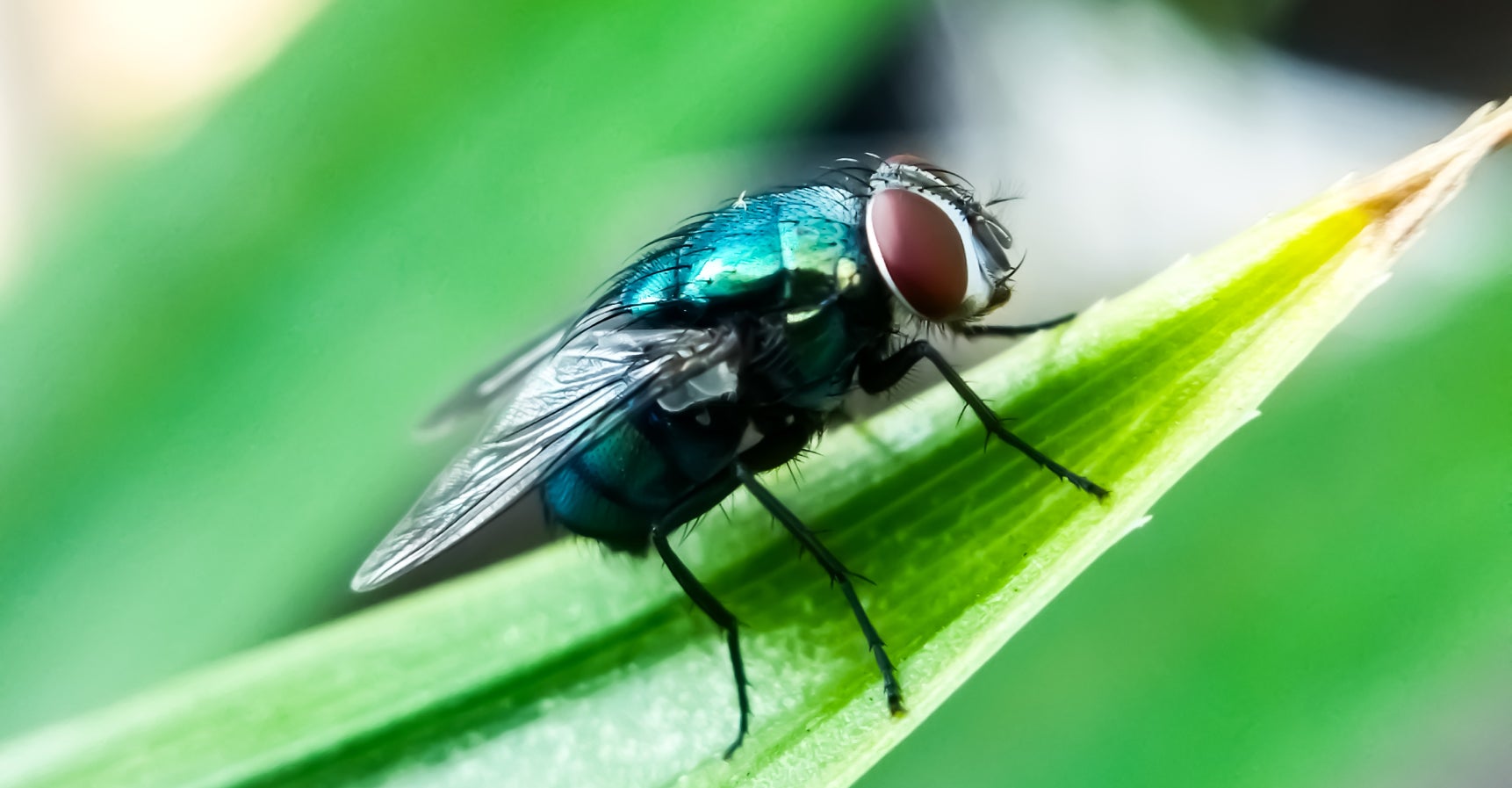
For the first time in 60 years, New World screwworm (NWS) is making headlines again. But how worried do you need to be as a pet parent?
While the CDC has currently identified the risk to humans and animals as very low, isolated animal cases in Texas and New Mexico have renewed concerns about the parasite's spread and the potential impact on animals, people, agriculture, and travel.
If you've heard about New World screwworm and aren't sure what it means for your pet, here's what you need to know.
What is New World screwworm and why are people talking about it again?
Unlike many flies that lay eggs in decaying material, the New World screwworm fly is unique because its larvae (maggots) feed on living tissue.
Recent reports of New World screwworm activity in the southwestern U.S. have increased public awareness and prompted additional monitoring efforts. While most pet parents are unlikely to encounter the parasite, understanding the risks can help you make informed decisions about wound care, travel, and your pet's health.
What is the New World screwworm fly?
The New World screwworm fly (Cochliomyia hominivorax) is a parasitic fly found in parts of the Western Hemisphere. Adult flies are not dangerous themselves, but females lay eggs in open wounds, surgical incisions, damaged skin, or other vulnerable areas.
When the eggs hatch, the larvae burrow into living tissue and begin feeding. This can cause severe tissue damage if not identified and treated quickly.
Because the larvae feed on healthy tissue rather than dead tissue, infestations can worsen rapidly and require veterinary attention.
Why is the current outbreak receiving attention?
Recent detections of New World screwworm in Mexico have raised concerns among animal health officials. The parasite can affect livestock, wildlife, pets, and, in rare cases, humans.
For pet parents, the most important takeaway is not to panic but to stay informed. Increased news coverage reflects efforts to prevent the parasite from spreading into unaffected areas and to protect animal populations.
How can New World screwworm affect my pet?
New World screwworm flies can lay eggs in any living tissue, even on pets. Even a relatively small wound or patch of irritated skin can become a point of entry for infestation.
Dogs and cats with open wounds should always be monitored closely, especially if they have recently traveled through affected regions.
How do dogs and cats become infected?
New World screwworm in dogs and cats typically begins when a fly lays eggs in an area of damaged skin.
Potential entry points include:
Cuts and scrapes
Surgical incisions
Bite wounds
Tick or parasite bite sites
Ear wounds
Skin infections
Areas of chronic irritation
Once larvae emerge, they begin feeding on living tissue and can cause significant damage if left untreated.
What are the symptoms of New World screwworm in pets?
One of the most important warning signs is a wound that appears to be getting worse rather than better.
Symptoms may include:
Wounds that fail to heal
Drainage or bleeding
A foul odor coming from the wound
Visible larvae in the affected area
Pain or sensitivity
Excessive licking or scratching
Swelling around the wound
Reduced appetite
Lethargy
Not every wound complication is caused by NWS, but unusual wounds should never be ignored. If you're unsure whether a wound is healing normally, signs your pet should be seen sooner can help you determine when to seek care.
Can humans get New World screwworm?
While New World screwworm primarily affects animals, people can also become infected in rare circumstances. Part of the increase in communication about NWS is to prevent human cases from occurring.
Human cases are uncommon, but they can occur when flies lay eggs in an open wound or other vulnerable tissue. The resulting larvae feed on living tissue in a similar way to animal infections and cause similar symptoms. Anyone concerned about a possible human infection should seek medical attention promptly.
How can I protect my pet and family from New World screwworm?
The best protection is prevention. Fortunately, many of the same habits that support good wound healing can also reduce the risk of screwworm infestation.
What steps can I take to reduce risk?
A few simple precautions can make a significant difference.
Clean and monitor wounds promptly
Check your pet's skin regularly
Keep up with parasite prevention recommendations
Monitor surgical incisions closely during recovery
Avoid unnecessary exposure in affected regions
Seek veterinary care for unusual wounds
Getting answers early can help prevent complications and provide peace of mind.
What should I do if my pet has a wound while traveling?
If your pet develops a wound while traveling, clean the area if appropriate and monitor it carefully for signs of infection or delayed healing.
Pay close attention to any drainage, odor, swelling, or unusual changes. If you're concerned about a wound that isn't healing properly, Schedule appointment to have one of our veterinarians evaluate it.
What should I know about travel restrictions and crossing borders with pets?
In addition to isolated cases in Texas and New Mexico, NWS outbreaks have been confirmed in parts of Mexico and Central America, which could impact travel plans. As monitoring efforts continue, pet travel requirements may change based on outbreak conditions and government guidance.
Pet parents planning international travel —especially to Mexico or Central America — should verify current requirements before departure and before returning to the United States. If you have plans to travel with your pet to a region with confirmed NWS, reach out to your Lovet vet. We’ll advise you on what precautions to take to help keep your pet safe.
Are there restrictions for pets traveling from affected regions?
Travel requirements can change quickly as animal health officials respond to emerging situations.
Before traveling, review the latest USDA APHIS guidance regarding New World screwworm and animal movement requirements:
Checking official guidance before making travel plans can help avoid unexpected delays or documentation issues.
Why are these restrictions important?
Protecting animal populations requires coordinated efforts from veterinarians, public health officials, livestock producers, and pet parents. Restrictions are designed to reduce the risk of introducing the parasite into regions where it is not currently present.
How is New World screwworm treated?
Prompt treatment is critical because the larvae can continue damaging tissue until they are removed.
The earlier an infestation is identified, the better the potential outcome.
What happens if a veterinarian suspects NWS?
A veterinarian will typically begin with a thorough examination of the affected area.
The evaluation may include:
Physical examination
Larvae identification
Wound assessment
Determination of tissue damage
Reporting procedures if required by local regulations
Accurate identification is important because several conditions can resemble screwworm infestation.
What does New World screwworm treatment involve?
Treatment generally focuses on removing larvae and supporting wound healing.
Depending on the situation, treatment may include:
Larvae removal
Thorough wound cleaning
Ongoing wound management
Pain control
Antibiotics when appropriate
Follow-up monitoring
Prompt treatment often improves outcomes and can help limit additional tissue damage.
When should I seek care for a possible screwworm infection?
Not every wound requires urgent intervention, but some wounds should never be ignored.
Pet parents often find themselves asking, "Is this something, or is it nothing?" When it comes to wounds that are getting worse instead of better, you should always contact your Lovet team.
What signs mean my pet should be seen right away?
Call your local Lovet if your pet has:
Visible larvae
Rapidly worsening wounds
Foul-smelling wounds
Significant swelling
Signs of pain
Loss of appetite
Lethargy
Persistent drainage
These symptoms can indicate serious complications, whether NWS is involved or not.
Why early treatment matters
Wounds that are addressed early are generally easier to manage and less likely to develop complications. Delaying care can allow infections, tissue damage, and discomfort to worsen.
If you're noticing a wound that's getting worse instead of better, schedule an appointment at Lovet so we can help determine what's going on and recommend next steps. With same-day appointments available at many locations and flexible payment options, we're here to help you get answers when you need them.
New World screwworm FAQs
What is New World screwworm?
New World screwworm is a parasitic fly whose larvae feed on living tissue in animals and, rarely, humans.
Can dogs get New World screwworm?
Yes. Dogs can become infected when flies lay eggs in open wounds, surgical incisions, or other areas of damaged skin.
What are the symptoms of New World screwworm?
Symptoms can include worsening wounds, foul odor, drainage, pain, visible larvae, lethargy, swelling, and decreased appetite.
Is New World screwworm dangerous to humans?
Human infections are uncommon, but they can occur when larvae infest an open wound or vulnerable tissue. Prompt medical attention is recommended if infection is suspected.