

Understanding periodontal disease in dogs: signs and treatment
KEY TAKEAWAYS
Periodontal disease is common in dogs. Learn symptoms, treatment options, and tips to keep your best friend's mouth healthier.
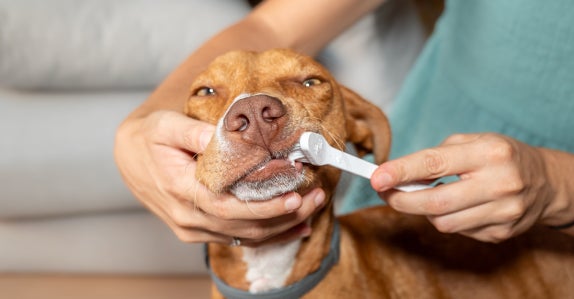
Periodontal disease (also known as gingivitis, or gum disease) in dogs is one of the most common health issues seen in our hospitals, and it often starts quietly with bad breath, mild tartar, or slightly red gums.
This guide explains what periodontal disease is, how it develops below the gumline, and why it matters for your dog’s comfort and long-term health. You’ll learn about early signs and stages, how our veterinarians diagnose it with oral exams and dental X-rays, what to expect from professional cleanings, extractions, and anesthesia, and tips our vets give for smooth at-home recovery. We’ll also cover brushing, chews, diet, and regular checkups to help protect your dog’s teeth, plus clear cues on when to schedule a vet visit.
This article is educational and not a substitute for an in-person exam or personalized veterinary advice. If your dog has symptoms or pain, contact your veterinarian or a local emergency clinic.
What is periodontal disease in dogs?
Periodontal disease begins when plaque (a soft, sticky film formed by bacteria after eating) accumulates on teeth and hardens into tartar. Bacteria and inflammation then affect your dog’s gums and teeth. Much of the damage happens under the gumline, where you can’t see it without a veterinary dental exam and X-rays.
Why it matters
Untreated disease can lead to sore gums, loose or lost teeth, oral infections, and discomfort that affects your dog’s eating and quality of life. Inflammation in the mouth can also impact overall health over time — periodontal disease in dogs has been linked to increased risk for heart, liver, and kidney disease.
Is periodontal disease painful?
Periodontal disease and related issues like tooth decay are often uncomfortable, even if dogs hide it. Signs of periodontal disease can be subtle, and may include:
Hesitating with hard treats
Chewing on one side
Swallowing kibble whole
Pawing at the mouth
Foul odor from mouth
Discharge from teeth
Sneezing
Bleeding gums
Calculus deposits on teeth (brown gunk on or between teeth)
Gum disease causes and risk factors
While any dog can develop periodontal disease, some factors make it more likely for plaque to build up and damage your dog’s teeth and gums.
Plaque and tartar buildup
Daily plaque forms on every dog’s teeth. Without regular cleaning, it mineralizes into tartar that irritates gums and shelters bacteria.
Breed, age, and diet
Small breeds, toy breeds, and brachycephalic (short-nosed) dogs often have crowded teeth, which can trap plaque and tartar.
Risk of periodontal disease also rises with age, usually due to tartar buildup with age.
Lots of sticky treats or super-soft, frictionless food can also contribute, though no diet replaces brushing.
Other risk factors
Prior dental disease, fractured or retained teeth, mouth shape, certain systemic illnesses, and inconsistent home care can all increase a dog’s risk of periodontal disease.
Early symptoms and staging of gum disease
Periodontal disease is usually described by our vets in stages, from early gum inflammation to advanced bone loss; noticing changes early can make treatment easier on your dog.
Stage 1: gingivitis
Red, puffy gums and bad breath are the most easily observed signs of gingivitis. With professional cleaning and consistent home care, gingivitis can often be reversed.
Stage 2–3: early–moderate
If gingivitis isn't addressed, tartar builds, gums recede (exposing more of the tooth), and pockets form around teeth. X-rays may show bone loss (atrophy of the jaw bones holding the roots of your dogs teeth). Your dog may drop food, chew on one side, or avoid hard toys. Extractions are often recommended for comfort and infection control.
Stage 4: advanced
Severe inflammation, deep pockets, loose or painful teeth, and significant bone loss are common at advanced stages. Extractions become necessary to prevent further bone loss, pain, and decay.
Is bad breath a sign?
Persistent bad breath (not just “doggy breath”) is a frequent early clue, especially with gum redness or bleeding when chewing.
Diagnosis and tests
At Lovet, a full diagnosis of periodontal disease begins with an oral exam and is confirmed with dental imaging. If cleaning and/or extractions are recommended, your vet will also order bloodwork to ensure your dog is healthy and ready for anesthesia.
Oral exam
During an oral exam, your veterinarian checks the visual condition and sensitivity of your dog’s gums, teeth, tongue, and oral tissues. They’ll also look for causes of eating or chewing changes you’ve noticed.
Dental radiographs
Full-mouth dental X-rays are the only way to assess the roots and bone support under the gumline. Many teeth that look “fine” on the surface have disease hidden below. These images help your vet decide which teeth require extractions and which teeth can remain.
Pre-anesthesia bloodwork
Before a dental procedure, bloodwork helps screen organ function and tailor anesthesia and pain control for your dog’s safety.
Treatment and anesthesia expectations
Treatment for periodontal disease involves removing the plaque and tartar housing bacteria and, in some cases, extractions of painful, infected, or decayed teeth. All professional cleanings and extractions at Lovet are performed under anesthesia per AVMA guidelines.
Professional cleaning
Expect ultrasonic and hand scaling, polish, detailed charting, and fluoride or barrier treatments as appropriate.
Extractions and pain control
Expect ultrasonic and hand scaling, polish, detailed charting, and fluoride or barrier treatments as appropriate.
Professional cleaning
All dental cleaning patients receive pain medications during and after the procedure to help ease recovery and reduce inflammation.
If extractions are needed, your vet will use local nerve blocks and systemic pain medications during the procedure to provide additional comfort during recovery.
Why anesthesia is needed
To properly scale the teeth and clean out gingival pockets, and avoid discomfort in your dog, anesthesia is necessary during all dental cleanings.
While plenty of humans can sit patiently during a cleaning, dogs need to be anesthetized to stay still and unaware of pain. Anesthesia also allows safe and thorough scaling and polishing above and below the gumline, probing of each tooth, and full-mouth X-rays.
Many dog parents worry about their best friend going under anesthesia. At Lovet, we take additional measures during our dental services to ensure your dog is safe and comfortable at every step — including constant monitoring by a vet tech and tailored protocols based on exam and lab work.
Periodontal disease in dogs recovery and prognosis
Most dogs recover well after dental treatment and are back to their normal selves in a few days. Healing time and long-term outlook depend on how advanced the disease was and adherence to at-home care.
Home aftercare
Most dogs go home the same day as their procedure. Some side effects from anesthesia may include grogginess, disorientation, or changes in appetite, which usually resolve after a good night’s rest.
Our vets will usually recommend giving your pet soft food (their regular dry food can be “fluffed” by soaking in water) and limiting hard chews or toys for a few days. If extractions were required, this may be lengthened to a week or more. Follow your vet’s feeding and activity guidance and give prescribed pain relief as directed.
Follow-up checks
Your team will check in a day or two after the procedure to see how your dog is recovering. If all is well, your vet might ask to see your dog in a few weeks to see how recovery is going and to make a plan for future dental care at home (brushing routine, chews, diet tweaks).
If your dog is still experiencing pain, inflammation, or develops a fever after their dental procedures, contact your vet right away for immediate follow-up.
Prognosis by stage
The earlier periodontal disease is identified and treated — and when consistent home care is provided afterward — the better the prognosis.
Moderate to advanced disease can be managed but may require extractions and more frequent professional cleanings to keep your dog comfortable and lower their risk of developing associated health issues.
Prevention and home care
Daily or near-daily home care is the best way to slow plaque buildup between professional cleanings and help protect your dog’s mouth over time.
Toothbrushing basics
Brushing is one of the most effective at-home tools for protecting your dog’s teeth. Start slowly, using a dog-safe toothpaste and a soft brush or finger brush. Aim for daily brushing, but every other day still helps.
Dental chews and diets
Vet-recommended dental chews, rinses, and certain dental diets can reduce plaque. Choose products sized and textured for your dog and avoid very hard items that can crack teeth like antlers, bones, and hard nylon. That said, these tools work best alongside brushing and regular dental checkups — not as a substitute.
For more everyday dental health ideas, see our pet dental health tips.
How often to brush your dogs teeth?
Daily is ideal. Even with great brushing, most dogs still benefit from periodic professional cleanings based on their individual risk.
When to see your vet
Every wellness exam at Lovet includes a thorough oral exam to identify periodontal disease in its earliest stages. If you notice persistent bad breath, visible tartar, or red and swollen gums, book a regular check-up and let your vet know what you’ve seen.
If you see loose or broken teeth, bleeding, facial swelling, heavy drooling, dropping food, or signs of pain, reach out to your local Lovet right away. These needs require urgent intervention, and we’ll do everything we can to get your dog in as soon as possible.
Cost and access
Costs for dog dental care vary widely but understanding what drives them — and planning ahead — can make it easier to say yes to the care your dog needs.
What affects cost
Costs vary with your dog’s size, mouth health, anesthesia time, X-rays, and whether extractions or advanced procedures are needed.
Ways to plan care
At Lovet, we provide estimates for all procedures to help you plan. We also can work with you to stage out your dog's dental care, especially in complex cases where multiple extractions may be required.
Our flexible financing options are also a great way to plan your dog’s dental care. Along with other essential core wellness services, a dental cleaning can be included in your dog’s Lovet Essentials plan for one predictable price each month.
We also offer Lovet Pay to spread large payments for services like extractions over time. These payment plans make it easy to get same-day care for your pet with flexibility for you.
Frequently asked questions
Is bad breath normal in dogs?
Occasional “dog breath” after a smelly snack happens, but persistent bad breath often points to plaque, gingivitis, or periodontal disease. Watch for red or bleeding gums, drooling, pawing at the mouth, or reluctance to chew — these are cues to book an exam. Early checks can prevent painful problems later.
Can diet help prevent periodontal disease?
Certain dental diets and textured kibbles can reduce plaque buildup, but brushing is still one of the most effective at-home tools. Wet versus dry matters less than consistent mechanical cleaning and routine veterinary checkups. Ask your vet which combination of diet, chews, and brushing fits your dog’s mouth and lifestyle.
Can periodontal disease be reversed at home once symptoms appear?
It depends on how advanced the disease is. Early symptoms of periodontal disease like bad breath, inflamed gums, and visible tartar may resolve with consistent at-home care. However, there could still be bacteria living on plaque and tartar below the gumline — where at-home treatments like dental chews and water additives can’t reach. Only anesthetized professional cleanings can eliminate bacteria above and below the gumline to effectively reverse early periodontal disease and lessen symptoms of more advanced cases.
Do dogs need anesthesia for dental cleanings?
Anesthesia allows full-mouth probing, under-gum scaling, and dental X-rays—all essential to find and treat disease below the surface. It also keeps your dog pain-free and still, which makes the procedure safer. Your vet will recommend pre-anesthetic exam and bloodwork and monitor your dog closely during and after the procedure. Unanesthetized cleanings can make teeth look nicer but often miss disease below the gumline, where it matters most. They also can be distressing to your dog, who doesn’t understand why a vet is poking around in their mouth!
How often should my dog have a professional dental cleaning?
Frequency depends on breed, age, mouth conformation, prior dental history, and home-care consistency. Many dogs do well with annual cleanings; small breeds and crowded mouths may need them more often. Your veterinarian will set a timeline after an exam and X-rays, then adjust based on results after the cleaning.
What are safe dental chews for dogs?
Choose vet-recommended chews that fit your dog’s size and chewing style. (Look for the seal of acceptance from the Veterinary Oral Health Council on the packaging!) Avoid very hard items that can fracture teeth and supervise chewing sessions. Chews can help, but they work best as a supplement to daily (or near-daily) brushing and regular dental checkups.
Book your appointment today.
Disclaimer: Not intended to be a substitute for professional veterinarian advice, diagnosis, or treatment. Always seek the advice of your veterinarian with any questions you may have regarding the medical condition of your pet. If you think your pet has a medical emergency, call or visit your veterinarian or your local veterinary emergency hospital immediately.