

Periodontal disease treatment for dogs and cats: what pet parents should know
KEY TAKEAWAYS
At-home care can help slow dental disease, but treatment often requires a professional cleaning below the gumline. Knowing when to manage at home vs. see a veterinarian makes all the difference.
What is periodontal disease?
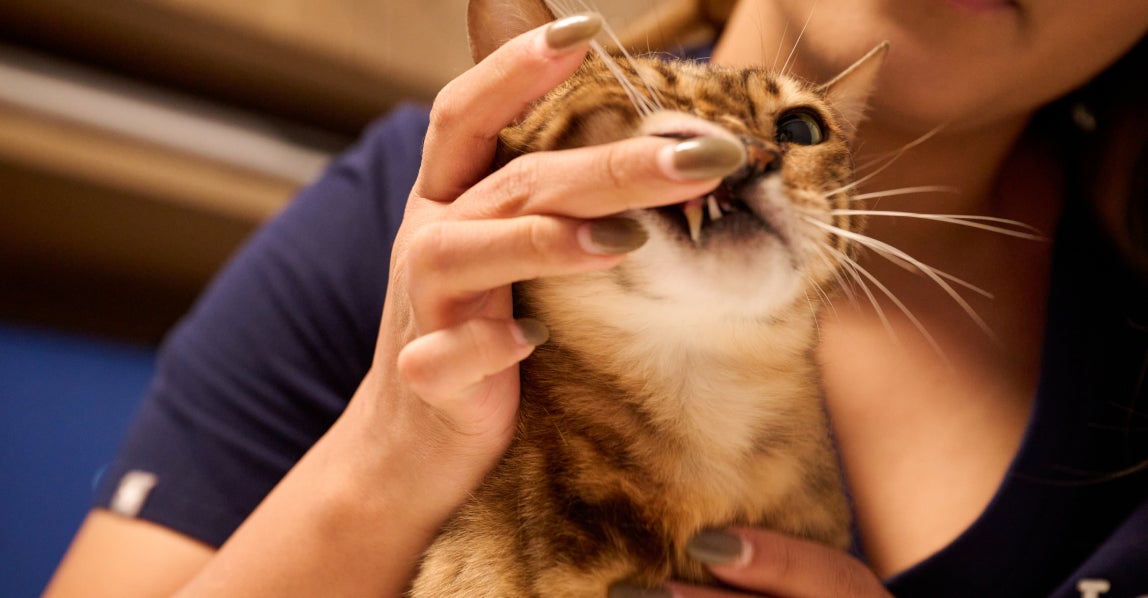
Periodontal disease is a serious, progressive bacterial infection that destroys the tissues and bone supporting the teeth, often caused by poor oral hygiene and plaque buildup.
While humans spend a lot of time and effort maintaining their dental care and preventing periodontal disease from developing, pets often don’t get the same level of attention. Regular dental care for pets can address periodontal disease in many of the same ways that it does for humans.
How to prevent periodontal disease in dogs and cats
If you’re wondering how to avoid dental problems for your pet altogether, you’re not alone. Most pet parents don’t think about their pet’s dental health until it’s too advanced to ignore — but prevention is where you have the most control.
A consistent oral care routine can slow the buildup of plaque before it turns into painful periodontal disease and make a meaningful difference in your pet’s health over time.
Daily and weekly habits that make a difference
Brushing your pet’s teeth is the most effective habit you can build. Even a few times a week helps reduce plaque and protect gum health.
You can also support their routine with dental chews, prescription dental diets, or water additives that help control bacteria. These tools work best when used consistently and alongside brushing — not as a replacement for it.
What prevention can and can’t do
Prevention is powerful, but it has limits. If dental disease has already progressed, prevention alone won’t reverse it.
Prevention, however, can slow buildup, support healthy gums, and help maintain results after a professional cleaning. But it can’t remove hardened tartar or treat infection below the gumline.
How is periodontal disease treated in dogs and cats?
If your pet has bad breath, red gums, or is eating differently, it’s normal to wonder: is this something you can manage at home, or do they need professional cleaning?
The honest answer is: Both techniques can help, but each serves different purposes.
At-home care supports dental health, but once disease moves below the gumline, professional dental care is required to treat it. That’s because the real issue isn’t just what you can see — it’s what’s happening under the surface.
Treatment focuses on removing infection, relieving discomfort, and helping your pet get back to eating and feeling like themselves.
When does my pet need professional dental treatment?
Some signs of periodontal disease are your cue to stop monitoring and get clear answers.
Bad breath that doesn’t improve, red or bleeding gums, changes in eating habits, or signs of mouth discomfort usually mean there’s more going on below the surface. These issues don’t resolve on their own.
If you’re noticing any of these, a Lovet veterinarian can help you understand what’s happening and what to do next.
What happens during a pet dental visit?
Professional dental care for pets is more thorough than what’s possible at home. It’s designed to treat disease where it starts: under the gumline.
Your pet will receive a full oral exam and a complete cleaning above and below the gums. Dental X-rays will be used to evaluate hidden disease, and teeth are polished to help slow future buildup.
Because much of this work happens below the gumline, pets are placed under anesthesia so veterinarians can treat the area safely and completely.
Treatment depends on how advanced the disease is
Not every pet needs the same level of care.
In early stages, a professional cleaning may be enough. As disease progresses, deeper cleaning, closer monitoring, or tooth extractions may be needed to remove infection and relieve discomfort.
The goal isn’t just cleaner teeth. It’s your pet eating comfortably and living without ongoing pain.
How dental disease shows up in dogs vs. cats
Dogs and cats both develop periodontal disease, but it doesn’t always look the same.
Dogs tend to show more visible buildup and bad breath, making dental issues easier to spot early. Cats are often more subtle, and signs can be easy to miss.
Instead, you might notice slower eating, dropping food, or small behavior changes. Cats hide discomfort well, allowing dental disease to progress further, so early detection and intervention is key.
What to expect after pet dental treatment
Most pets recover quickly after a dental procedure, and many pet parents notice improvements sooner than expected.
You may see a better appetite, more energy, and less discomfort when your pet eats. If extractions are needed, your veterinarian will guide you through specific aspects of their recovery, such as changes to softer food while they heal.
It’s common to realize afterward that your pet had been dealing with more discomfort than it seemed.
What to do if you’re not sure
If you’re unsure whether your pet’s symptoms need attention, you’re not alone. Dental issues aren’t always obvious, and it’s normal to question what’s serious. That’s why we make it easy to get answers with same-day appointments, easy online scheduling, and flexible payment options.
Early intervention is key to preventing periodontal disease, and your vet can help evaluate your pet’s current oral health and make a plan that fits their needs. If something seems off — bad breath, gum changes, or eating differently — book a dental exam appointment online today.
Periodontal disease treatment FAQs
Is anesthesia for pet dental treatment safe?
Yes! Anesthesia is clinically proven and highly effective. At Lovet, we prioritize your pet’s comfort and safety before, during, and after anesthesia by running bloodwork, monitoring vitals, and supporting recovery.
What happens if periodontal disease is left untreated?
Untreated periodontal disease progresses into further stages of dental disease. The infection grows in the gums, causing more pain, tenderness, and bleeding, and it may even spread inside your pet’s teeth or travel through their bloodstream to other organs.
How often should my pet get professional dental cleanings?
In general, our vets recommend a professional dental cleaning once per year to most pets. Some pets with more advanced dental disease may require more frequent cleanings, or younger pets may not need one until they’re older. Your vet will advise you on the schedule that’s right for your pet after a thorough dental exam.
DISCLAIMER: Not intended to be a substitute for professional veterinarian advice, diagnosis, or treatment. Always seek the advice of your veterinarian with any questions you may have regarding the medical condition of your pet. If you think your pet has a medical emergency, call or visit your veterinarian or your local veterinary emergency hospital immediately.