

Spay and neuter cost: what to expect and how pet insurance fits in
KEY TAKEAWAYS
Pet insurance usually does not cover spay or neuter surgery. If you're planning surgery soon, understanding your payment options now can help you avoid delays and make a confident decision.
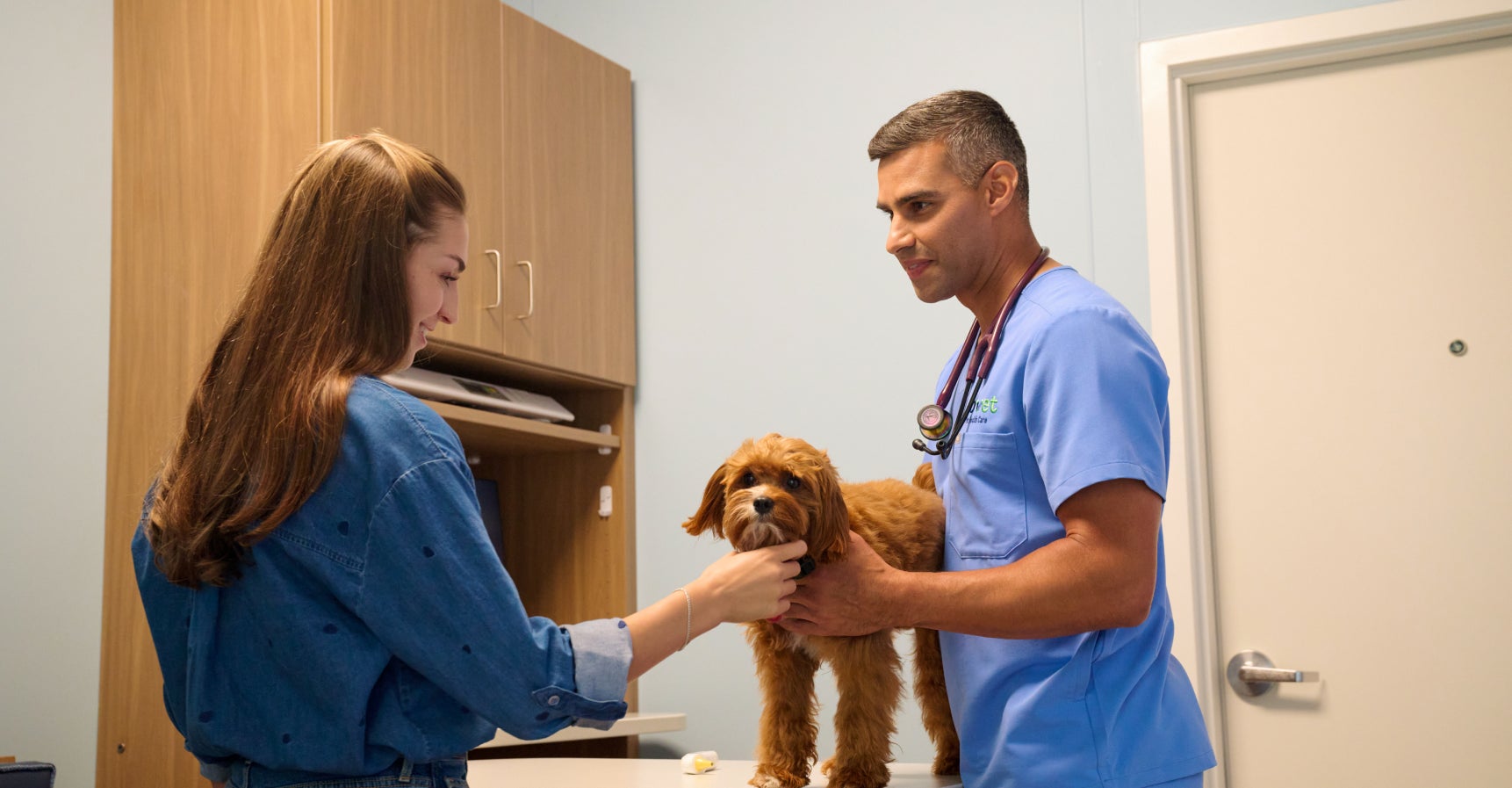
If you're planning to spay or neuter your pet, you're probably asking two big questions: how much will this cost, and will pet insurance help cover it?
You're not alone. This is one of the most common points where pet parents feel stuck: trying to do the right thing, but unsure how to plan for it financially. The good news is that once you understand how costs work and what insurance actually covers, the next steps get a lot clearer.
How much does spay or neuter surgery cost?
Spay and neuter costs can vary quite a bit depending on your pet and where you go for care. That's normal, but it's one of the main reasons this decision can feel confusing at first.
In general, you can expect:
Dog spay or neuter surgery costs to vary based on size and complexity
Cat spay and neuter costs typically are lower than dogs
Spay and neuter costs for other species, like rabbits, are sometimes higher due to specialized care
The most important thing to know is that the cost isn't random. It's based on a few key factors that help ensure your pet's safety during surgery.
What affects the cost of spay or neuter surgery?
Understanding what goes into pricing can make it feel much more manageable and help you compare options confidently.
Your pet's breed, size, age, and health
Larger pets generally require more anesthesia and longer surgery time, which can increase overall cost. Age and general health also matter. A younger, healthy pet usually has a more straightforward procedure than an older pet or one with underlying conditions.
Species play a role, too. For example:
Cat spay or neuter cost is often lower due to their smaller size
Cost to spay or neuter a dog increases with weight and breed, since size and breed-specific traits like sorter snouts increase complexity
Other species’ spay and neuter costs, such as for rabbits, may be higher because fewer hospitals offer this procedure
Type of procedure and complexity
Spay surgery (for females) is typically more complex than neuter surgery (for males), which can impact cost. Each procedure requires different surgical steps, monitoring, and recovery considerations.
What's included in the surgery cost
Spay and neuter surgery isn't just the procedure itself. At Lovet, our pricing is inclusive of:
Pre-anesthesia bloodwork
Anesthesia and monitoring
The actual procedure
Recovery care
Take-home medications such as antibiotics or pain control
Each item helps keep your pet safe and comfortable throughout the process.
Does pet insurance cover spay or neuter surgery?
Unfortunately, most pet insurance plans do not cover spay or neuter surgery.
That's because these procedures are considered preventative, not related to illness or injury. Standard pet insurance coverage is usually designed for unexpected medical issues, not planned procedures.
Why spay and neuter surgery is usually not included
Insurance providers separate care into categories:
Accidents and illnesses → typically covered
Preventative care → usually not included
Since spay and neuter surgery is planned and preventative, it typically falls outside standard coverage.
Pet insurance that covers spay or neuter
Some providers offer wellness add-ons that include partial reimbursement for spay or neuter surgery. These plans can help, but there are a few important things to keep in mind:
Coverage is usually limited or capped
You'll often pay upfront and get reimbursed later
Waiting periods may apply before benefits start
So while pet insurance that covers spay or neuter exists, it usually won't cover the full cost—and timing matters.
If I'm planning surgery soon, should I get pet insurance now?
If you're about to schedule surgery, this is where things can get frustrating.
In most cases, getting pet insurance right before spay or neuter surgery won't reduce your immediate costs.
What insurance can and can't help with right away
Most plans have:
Waiting periods before coverage begins
Reimbursement models (you pay first, then get paid back)
That means signing up right now likely won't apply to a surgery you're planning in the near future.
When pet insurance does make sense
Pet insurance can still be a smart decision for:
Unexpected illness or injury
Long-term financial planning
It's best thought of as future protection, not a solution for an upcoming planned procedure.
How Lovet helps you plan and pay for surgery
Traditional insurance isn't built for planned procedures like spay and neuter. That’s where we come in.
At Lovet, you always have a variety of flexible payment options to make care work for your budget.
Lovet Essentials
Lovet Essentials is our annual primary care plan, paid monthly. Every Lovet Essentials plan includes a one-time annual credit toward any anesthetized procedure: spay or neuter, dental cleaning, or another surgery your pet needs.
Your plan starts working the day you sign up, so there's no waiting period to get in the way of the care your pet needs. However, it's important to note that Lovet Essentials is an annual plan with a 12-month term.
Plus, each plan includes more primary care services that aren’t traditionally covered by typical pet insurance, like core vaccines, annual bloodwork, and more. Learn more about Lovet Essentials.
Lovet Pay
If you'd rather break the total cost into smaller payments, Lovet Pay is built for that. It's our in-house flexible financing that lets you spread the cost of care over time. You choose the terms that work best for you — there are even 0% APR options! — and provide an application fee and down payment. 99% of pet parents are approved for same-day care, so there’s less waiting than with traditional pet insurance. Learn more about Lovet Pay and other flexible payment options.
Talk to a vet before you schedule
If you're weighing cost against timing, a conversation with a vet can clarify both. We make it easy to talk through your options so you can plan with confidence:
Same-day appointments available
Simple, online scheduling
Clear guidance based on your pet
Schedule an appointment at a Lovet location near you today!
How do I decide when to schedule spay or neuter surgery?
Timing depends on your pet's breed, age, and overall health. If you're unsure, it's worth having a conversation with a veterinarian to get clear guidance for your specific situation.
If you're still weighing the decision, you can learn more about why spaying or neutering matters and what recovery looks like after surgery to feel more prepared.
Spay and neuter cost and insurance FAQs
Does pet insurance ever cover spay or neuter surgery?
Most plans don't cover it unless you add a wellness option, and even then coverage is usually limited.
Is it worth getting pet insurance before spay or neuter surgery?
If surgery is happening soon, insurance likely won't reduce your cost. It can still help with future unexpected care.
How can I afford spay or neuter surgery without insurance?
Flexible payment options like Lovet Essentials and Lovet Pay can help you spread out the cost instead of paying everything upfront.
What's the average cost of spay or neuter surgery?
Costs vary based on your pet and location, but typically include the exam, anesthesia, surgery, and recovery care.
DISCLAIMER: Not intended to be a substitute for professional veterinarian advice, diagnosis, or treatment. Always seek the advice of your veterinarian with any questions you may have regarding the medical condition of your pet. If you think your pet has a medical emergency, call or visit your veterinarian or your local veterinary emergency hospital immediately.