

TPLO surgery for dogs: what it is, recovery, and what to expect
KEY TAKEAWAYS
TPLO surgery helps stabilize a torn CCL in dogs. Recovery is nonlinear but is best supported by a slow increase in activity.
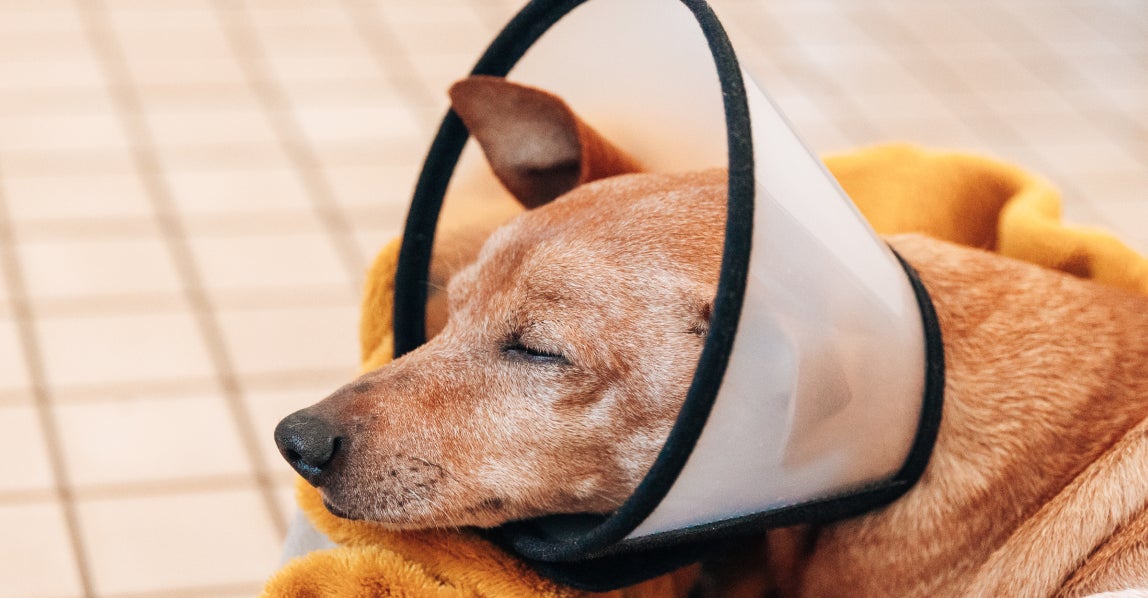
TPLO surgery is one of the most common ways to treat a torn cranial cruciate ligament (CCL) in dogs. It stabilizes the knee by changing the angles in the joint, not by replacing or repairing the ligament.
Recovery takes time and structure. The first few weeks focus on strict activity control and comfort, followed by gradual return to movement with guidance from your veterinary team.
If you’re considering TPLO, you’re likely trying to answer a tough question: Is this the right next step for my dog? This guide walks you through what the surgery does, when it’s recommended, and what recovery actually looks like at home.
What TPLO surgery is and when it’s recommended
TPLO (tibial plateau leveling osteotomy) is a surgical procedure used to stabilize the knee after a CCL injury — what many pet parents call an ACL tear.
Instead of repairing or replacing the torn ligament, TPLO changes the angle in the tibia so the knee no longer relies on the ligament for stability. TPLO also removes frayed pieces of the ligament that causes inflammation and addresses other structural damage that commonly occurs with CCL injury like meniscal tears. This allows many dogs to return to more comfortable, functional movement over time.
How TPLO stabilizes the knee
In a healthy knee, the CCL prevents the shin bone from sliding forward. When it’s torn, the joint becomes unstable, especially when weight-bearing.
TPLO works by making a cut in the lower thigh bone (tibia) and rotating it so that the upper thigh bone sits on a flatter surface. The change in angles helps replicate the stability of what the CCL used to provide. This reduces the forward sliding motion that contributes to pain and instability.
Other surgical options may try to mimic or support the ligament. TPLO focuses on changing the mechanics of the joint itself, which promotes long-term function.
Why dogs with CCL tears need TPLO
Our vets recommend TPLO surgery for CCL injuries as ongoing instability can lead to discomfort and joint changes over time. CCL tears can severely limit your dog’s mobility and reduce their quality of life, especially if they’re a larger or more active breed. In some cases, non-surgical care or alternative procedures may be discussed as interim care.
In recommending TPLO surgery as treatment, your veterinarian will consider your dog’s overall health, age, breed, and size. They’ll also discuss your ability to manage recovery at home to ensure optimal outcomes.
What to expect before and during TPLO surgery
Once TPLO is recommended, the next step is making sure your dog is a good surgical candidate and that you feel prepared for what’s ahead.
How veterinarians conduct the initial TPLO consultation
Diagnosis usually starts with a gait evaluation and sedated orthopedic exam. Your veterinarian will also recommend X-rays to assess the joint, rule out other issues, and plan the procedure. Bloodwork and infectious disease testing may also be recommended to eliminate other diagnoses and ensure your pet is healthy and ready for surgery.
They’ll also talk through:
Whether the tear is partial or complete
Signs of meniscal injury
What recovery will realistically involve at home
This is a good time to ask questions, especially about the first few weeks after surgery.
What happens during the TPLO procedure
TPLO is considered a major orthopedic surgery performed under full general anesthesia. Your dog will be closely monitored at all times for their safety and comfort. During the procedure:
The joint is exposed and explored
Residual fragments of the torn ligament are removed
The other structures in the knee are assessed
The joint is carefully cleaned with sterile technique
The tibia is carefully cut and rotated into position, based on the plan and angles calculated from X-ray imaging
A metal plate and screws are used to stabilize the bone
After surgery, your veterinary team will continue to monitor your dog for several hours to ensure pain is appropriately controlled and that they wake up safely from anesthesia.
TPLO recovery timeline and home care
Recovery isn’t a straight line — it happens in phases that each take their own time, often over the course of 12+ weeks. The goal for recovery after TPLO is to protect healing while gradually rebuilding strength.
Recovery phases: first 2 weeks to full activity
Weeks 1–2:
Strict rest and controlled movement only
Pet parents should be with their dogs at all times
If leaving your dog home unsupervised is absolutely necessary, make sure they’re kenneled to restrict movement
E-collar/plastic cone must be on at all times
Short, slow leash walks for bathroom breaks
Focus on comfort and preventing slips or sudden movement
Introduction of guided exercises if recommended
Weeks 3–8:
Gradual increase in weight-bearing
Longer controlled walks
Physical therapy exercises may increase according to recommendations
Progress exam at ~6 weeks to assess healing
Weeks 8–12+:
Continued strengthening
Exam at ~12 weeks with sedated X-rays to ensure full healing
Gradual return to normal activity as recommended
Timeline to full recovery varies based on healing and your dog’s progress. Your veterinarian will adjust this plan based on rechecks and how your dog is doing.
Provider insight
“The first two weeks post-op is the most critical time period for both initial healing and for infection to form. I encourage my pet parents to take time off work, have a family member stay with them, or take other measures to help their dog be monitored 100% of the time.”
- Dr. Lauren Allison, Lovet Goodyear
How to set up your home and keep your dog safe
Most of recovery comes down to preventing the movements that can disrupt healing:
No running, jumping, or off-leash activity
Leashed walks should be short, calm, and predictable
Use rugs or mats on slippery floors
Block stairs or reintroduce them slowly with guidance
Use a crate, pen, or small room for controlled rest
The role of rechecks and rehabilitation
Follow-up visits help your veterinarian track healing and adjust activity levels safely. Some dogs benefit from structured rehabilitation to rebuild strength and mobility.
Avoid adding exercises on your own. Doing too much too soon is one of the most common setbacks for dogs post-surgery.
Cost, risks, and long-term outcomes
This is often the section pet parents worry about most. Your vet will work with you to craft a care plan that meets your dog’s needs and your budget, so don’t be afraid to talk openly. At Lovet, we offer ways to pay over time — including payment plans with a 99% approval rate.
What affects TPLO surgery cost
TPLO surgery is more than just the procedure. Total costs tend to vary depending on post-op care, which can be affected by:
Your dog’s size and case complexity
Diagnostics and imaging
Anesthesia, monitoring, and surgical materials
Follow-up care and rehabilitation
Risks and what a successful outcome looks like
Surgical procedures carry risks, including infection, bleeding, anesthesia complications, or delayed healing. Your veterinarian can explain what’s most relevant for your dog — and how they’re planning care around it.
A successful outcome usually means:
Improved comfort
Better use of the leg
Return to normal daily activities
Not every dog returns to “perfect,” but many regain strong, functional mobility.
Long-term joint health after TPLO
Even with surgery, some dogs develop arthritis over time. Long-term support often includes:
Maintaining a healthy weight
Consistent, controlled exercise
Monitoring for changes in mobility and joint supplementation
As many as 50% of dogs who tear one ligament will tear the other within one year, so early awareness and financial readiness are important. Rechecks and regular veterinary care can help catch arthritis and knee issues at their most treatable.
Book your appointment today.
A CCL injury can be stressful for you and your dog. That’s why we make getting the right care easy. From same-day urgent care appointments to simple online scheduling, we’re here to help you get answers and care without added worry.
TPLO surgery FAQs
Will my dog need rehab after TPLO surgery?
Many dogs benefit from structured rehabilitation to rebuild strength and improve mobility. Your veterinarian can recommend the right plan.
Can my dog ride in the car during recovery?
Yes, but movement should be limited. Use a crate or harness and carry them in and out to avoid jumping.
What should the incision look like as it heals?
Mild swelling or bruising can be normal early on. Redness, discharge, or worsening appearance should be checked by your veterinarian.
Can my dog swim after TPLO?
Swimming may be introduced later in recovery, but only after the incision is healed and your veterinarian says it’s safe.
Is TPLO surgery worth it for dogs?
TPLO can significantly improve comfort and mobility. The right choice depends on your dog’s specific condition and your goals for their quality of life.
How long does it take for a dog to fully recover from TPLO surgery?
Most dogs recover over 8–12 weeks, with continued improvement over several months.
Can a dog walk normally after TPLO surgery?
Yes, many dogs return to normal walking and daily activity with proper recovery and follow-up care.
Is TPLO better than other ACL surgeries for dogs?
It depends on your dog’s size, activity level, and knee stability. TPLO is often recommended for larger or more active dogs because of how it stabilizes the joint.
Disclaimer: Not intended to be a substitute for professional veterinarian advice, diagnosis, or treatment. Always seek the advice of your veterinarian with any questions you may have regarding the medical condition of your pet. If you think your pet has a medical emergency, call or visit your veterinarian or your local veterinary emergency hospital immediately.