

Why is my dog limping? Causes, treatment, and when to get care
KEY TAKEAWAYS
Dog limping can range from minor paw injuries to more serious joint or ligament issues. If it doesn’t improve within a day or comes with other symptoms, it’s best to have your pet evaluated.
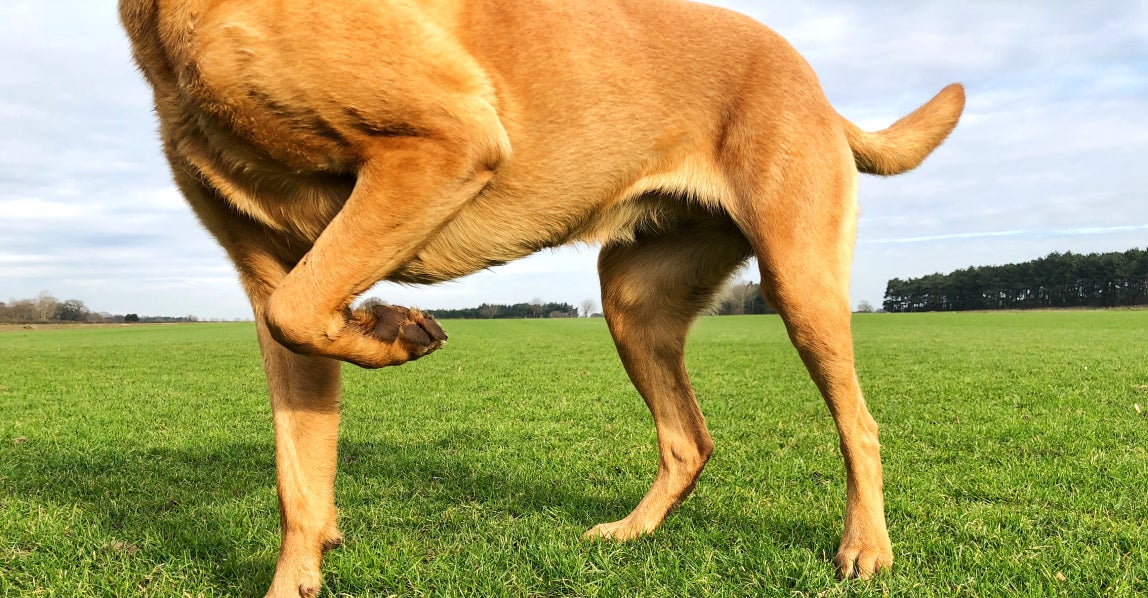
If your dog suddenly starts limping, it’s hard not to worry. You’re probably watching every step and wondering: is this something minor, or something more serious?
The truth is dog limping can come from a range of causes, from something as simple as a small paw injury to issues that need veterinary attention. The key is knowing what to look for and when to take the next step.
Why is my dog limping?
Limping is your dog’s way of showing that something doesn’t feel right. It usually means there’s some level of discomfort, even if your dog isn’t crying or acting differently.
Some causes are mild and improve quickly. Others can get worse if left untreated. That’s why it helps to take a closer look early, so you can decide what to do next with confidence — and know when it makes sense to schedule an appointment for a closer evaluation.
What should I check if my dog is limping?
Before jumping to conclusions, there are a few simple things you can check at home. This can help you understand whether it might be something minor or something that needs care.
Check your dog’s paw and leg
Start with the paw. Look for:
Small cuts or scrapes
Something stuck (like a thorn or debris)
Swelling or redness
Then gently check the leg for swelling or sensitivity. If your dog pulls away or avoids touch, that’s a sign it may be time to have a veterinarian take a closer look.
Watch how your dog is walking
How your dog moves can tell you a lot.
Putting some weight on the leg: may be a mild strain
Not putting weight down at all: more concerning
If your dog won’t bear weight or the limp appears suddenly and severely, it’s a good idea to find your local Lovet and get them seen sooner rather than later.
Look for other symptoms
Pay attention to changes like:
Lower energy
Changes in appetite
Hesitation to jump or climb stairs
When these show up alongside limping, it usually means it’s worth moving from monitoring at home to getting a professional opinion.
Why is my dog limping but acting normal?
This is one of the most common — and confusing — situations.
Dogs are very good at hiding pain. Even if your dog seems happy and alert, a limp usually means there’s some level of discomfort.
In many cases, this could be:
A mild strain or overuse injury
Early signs of a joint issue
A small paw injury that isn’t obvious at first
If the limp doesn’t improve within a day or two, getting it checked can give you clear answers and help you avoid a situation where a small issue turns into something more serious.
What are the most common causes of dog limping?
Instead of a long list of possibilities, it helps to think about causes in a few simple categories.
Minor causes that may improve quickly
Some issues can resolve with rest and monitoring, such as:
Minor paw irritation
Small cuts or nail issues
Mild muscle strain
If things are improving day by day, you’re likely on the right track.
Injuries that may need veterinary care
Other causes are more likely to need evaluation, including:
Sprains or soft tissue injuries
Ligament injuries, like an Anterior Cruciate Ligament (ACL) tear
Fractures or more serious trauma
These are the kinds of issues where getting your dog seen sooner can make recovery easier and more predictable.
Joint or long-term conditions
Some limping develops over time, especially in older dogs.
Common examples include:
Arthritis
Hip or joint conditions
If you’re noticing a pattern, like limping after activity or stiffness after rest, it’s worth scheduling an appointment to better understand what’s going on.
Does it matter if it’s the front leg or back leg?
Yes, the location of the limp can give helpful clues.
Dog limping back leg
Back leg limping is often linked to:
Knee ligament issues
Hip-related conditions
Muscle strains
If your dog is avoiding putting weight on a back leg, that’s a strong signal to have them evaluated at a nearby hospital where you can get answers quickly.
Dog limping front leg
Front leg limping is more commonly related to:
Paw injuries
Shoulder or elbow strain
Soft tissue issues
Even if it seems mild at first, persistent limping is your cue to move from watching and waiting to getting clarity from a veterinarian.
When should I take my dog to a veterinarian for limping?
This is usually the biggest question: can I wait, or should I act now?
Signs your dog should be seen soon
It’s best to have your dog checked if you notice:
Limping lasting more than 24–48 hours
Not putting weight on the leg
Swelling or visible injury
Limping that’s getting worse
If you’re checking these boxes, it’s a good time to schedule an appointment so you can stop guessing and start getting answers.
Why early evaluation matters
Getting your dog checked early can:
Prevent a minor issue from becoming more serious
Help your dog recover faster
Give you a clear plan forward
For a lot of pet parents, the biggest relief comes from simply knowing what’s going on — and that starts with getting your dog seen.
How is dog limping treated?
Treatment depends on the cause, but the goal is always the same: relieve discomfort and help your dog heal safely.
At-home care (when appropriate)
For mild cases, a veterinarian may recommend:
Rest and limited activity
Monitoring for changes
Even if things seem better, it’s important not to rush back into normal activity too quickly.
Veterinary treatment options
If the issue is more serious, care may include:
A physical exam and diagnostics
Medication for pain or inflammation
Supportive care or, in some cases, surgery
The sooner you understand what’s causing the limp, the easier it is to choose the right path forward.
How Lovet can help if your dog is limping
When your dog is limping, waiting and wondering can be the hardest part. You don’t have to figure it out on your own.
At Lovet, we make it easy to get your dog checked with same-day appointments and simple online scheduling, so you can get answers without the long wait. If you’re noticing signs that aren’t improving, you can schedule an appointment at a time that works for you and get a clear plan in place.
We also know cost and convenience matter. That’s why we offer flexible payment options and have locations designed to fit into your routine, so getting care feels manageable, not overwhelming. When you’re ready, you can find a location near you and take the next step with confidence.
Dog limping FAQs
Why is my dog limping but not crying?
Dogs often hide pain, so even a mild limp can be a sign of discomfort or injury.
How long should I wait before seeing a veterinarian for limping?
If the limp lasts more than 24–48 hours or gets worse, it’s best to have your dog evaluated.
Can a dog limp heal on its own?
Some minor issues improve with rest, but more serious injuries need veterinary care.
What should I do if my dog suddenly starts limping?
Check the paw and leg for visible issues and monitor closely. If it doesn’t improve quickly, scheduling an appointment is the best next step.
DISCLAIMER: Not intended to be a substitute for professional veterinarian advice, diagnosis, or treatment. Always seek the advice of your veterinarian with any questions you may have regarding the medical condition of your pet. If you think your pet has a medical emergency, call or visit your veterinarian or your local veterinary emergency hospital immediately.