

Why does my pet have bad breath or dental issues? What to look for
KEY TAKEAWAYS
Bad breath, difficulty eating, and changes in behavior can all point to dental issues in pets. Knowing the signs early can help you get care before problems become more serious.
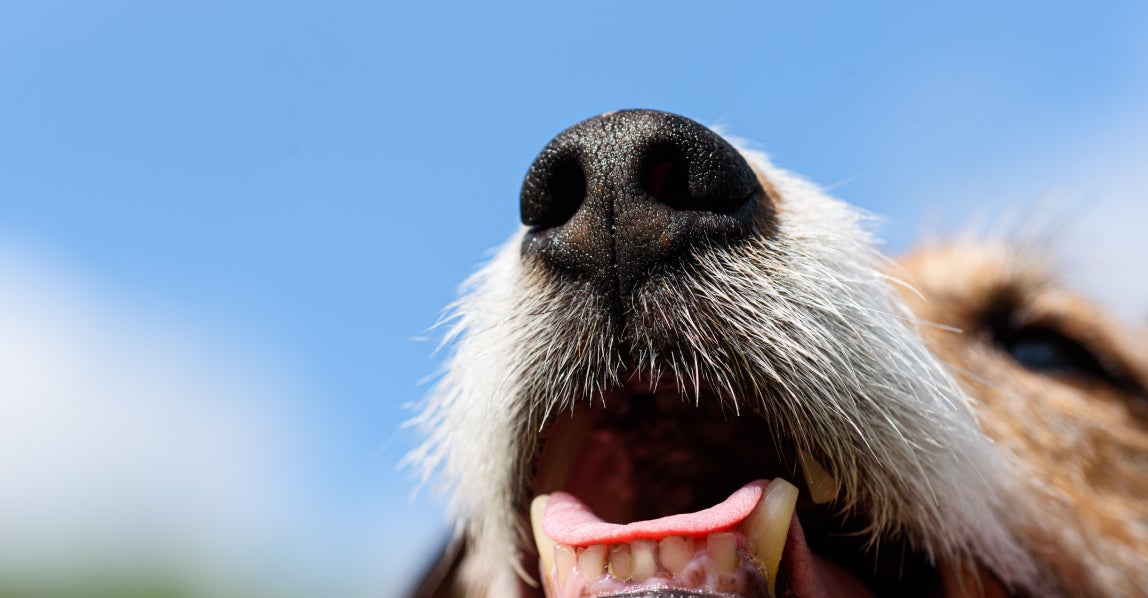
“Why does my pet's breath smell so bad?”
If you’ve asked this question before, you’re not alone. “Dog bad breath” and “cat bad breath” are some of the most common concerns pet parents have — and it’s often the first sign that something might be going on in your pet’s mouth.
Sometimes, mild odor can come from something simple, like what your pet just ate. But if the smell sticks around or gets stronger over time, it’s usually linked to bacteria buildup and early dental disease. The key is knowing when it’s something to monitor and when it’s worth taking a closer look.
What are the signs of dental problems in pets?
Dental issues don’t always show up in obvious ways at first. Small changes in your pet’s mouth or behavior are often the earliest clues that something isn’t quite right.
Changes you should look for in your pet’s mouth
When you check your pet’s teeth and gums, you’re looking for gradual changes rather than sudden ones. Common signs include:
Bad breath that doesn’t go away
Red, swollen, or bleeding gums
Yellow or brown buildup on teeth
Loose or missing teeth
These signs often point to plaque and tartar buildup, which can lead to dental disease over time if left untreated.
What behavior changes could mean your pet’s mouth hurts
Pets are good at hiding discomfort, so behavior changes can be just as important as what you see.
Watch for:
Eating less or avoiding hard food
Drooling more than usual
Pawing at the mouth or face
Acting withdrawn, quiet, or irritable
If your pet suddenly stops eating dry food or seems hesitant at mealtime, it can be a sign their teeth or gums are uncomfortable.
Is bad breath in dogs and cats normal or a sign of something more?
It’s a common question: is bad breath in dogs or cats actually a problem?
Occasional mild odor can be normal. But persistent or strong bad breath — especially if it smells sour or unusually pungent — is usually a sign of bacteria buildup in the mouth. Over time, that buildup can lead to gum inflammation, infection, and more serious dental disease.
If you’re noticing ongoing bad breath, it’s worth paying attention. It’s often one of the earliest and easiest signs to catch.
Why some pets are more likely to have dental issues
Some pets are more prone to dental problems than others. This can depend on:
Age (issues are more common as pets get older)
Breed (especially smaller dog breeds)
Diet and chewing habits
Lack of consistent dental care
Even pets that seem healthy otherwise can develop dental disease, which is why regular checks matter.
When to talk to a veterinarian about dental symptoms
It’s not always easy to tell when to wait and when to act. If something feels off, you’re usually right to pay attention.
Signs you shouldn’t wait on
You should consider scheduling an appointment if you notice:
Trouble eating or avoiding food
Visible pain or sensitivity around the mouth
Swelling, discharge, or bleeding
Sudden changes in behavior or energy
These signs can indicate more advanced dental issues, such as periodontal disease, that are unlikely to improve on their own.
Why early care can make a difference
Catching dental problems early can help prevent them from becoming more serious and uncomfortable for your pet.
If you’re noticing any of these symptoms, you can schedule an appointment at a Lovet hospital for a dental evaluation. We offer same-day appointments, so you can get answers without waiting and move forward with a clear plan when something doesn’t feel right with your pet.
What happens during a dental exam for pets?
If you’ve never scheduled a dental visit before, it’s normal to wonder what to expect.
A veterinarian will start with a visual exam of your pet’s teeth and gums, looking for signs of buildup, inflammation, or damage. From there, they may recommend next steps, like a professional dental cleaning or additional evaluation if needed.
The goal is simple: understand what’s going on and help you decide what makes the most sense for your pet.
How to help prevent dental problems over time
Once you know what to look for, prevention becomes much more manageable.
Simple at-home dental care habits can make a big difference over time, including:
Brushing your pet’s teeth regularly
Using dental chews or treats designed to reduce buildup
Scheduling routine dental checkups
It doesn’t have to be perfect. Consistency matters more than doing everything at once.
If you’re not sure where to start, find a Lovet location near you so a veterinarian can help you build a routine that fits your pet and your schedule.
Pet dental problem FAQs
Why does my dog’s breath smell bad all of a sudden?
Sudden bad breath in dogs is often caused by bacteria buildup, gum inflammation, or a possible tooth infection. If the smell is strong or doesn’t go away, it’s a good idea to have a veterinarian take a closer look.
How do I know if my pet has a tooth infection?
Signs of a tooth infection can include bad breath, swelling around the mouth, difficulty eating, drooling, or changes in behavior. Because pets don’t always show pain clearly, even small changes can be worth checking.
Is it normal for my cat to drool or stop eating dry food?
Occasional drooling can happen, but increased drooling or avoiding dry food can point to mouth discomfort or dental disease. If these changes last more than a day or two, it’s best to talk to a veterinarian.
When should my pet get a dental cleaning?
Most pets benefit from regular dental evaluations, and cleanings are recommended based on their individual needs. If you’re noticing bad breath, buildup, or changes in eating, it may be time to schedule a dental check.
DISCLAIMER: Not intended to be a substitute for professional veterinarian advice, diagnosis, or treatment. Always seek the advice of your veterinarian with any questions you may have regarding the medical condition of your pet. If you think your pet has a medical emergency, call or visit your veterinarian or your local veterinary emergency hospital immediately.