

Stomatitis in cats: symptoms, causes, and when to see a veterinarian
KEY TAKEAWAYS
Stomatitis can cause significant mouth pain in cats, making it difficult to eat, groom, and live comfortably. Learn the symptoms to watch for and when it's time to schedule a veterinary appointment.
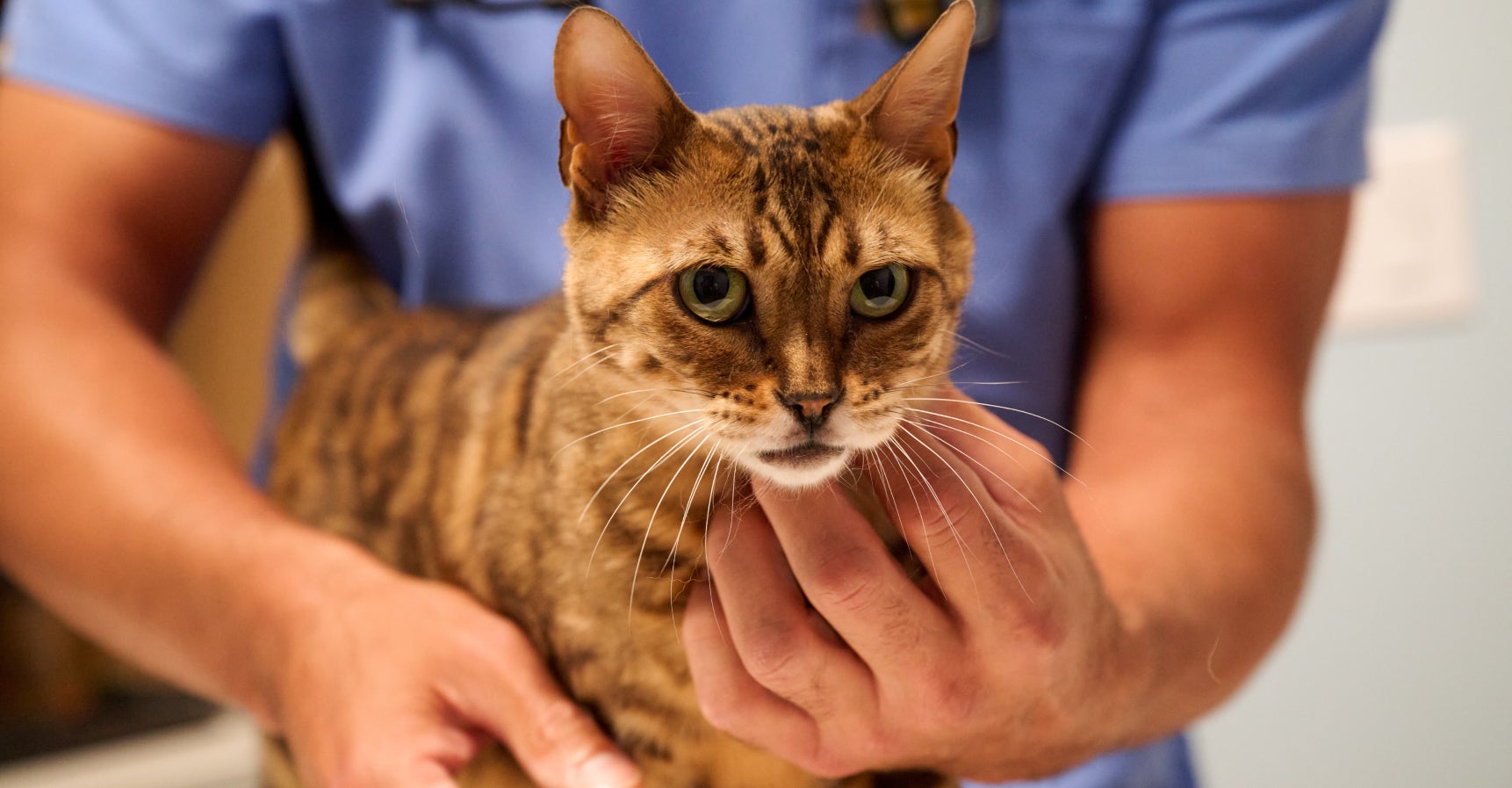
What is stomatitis in cats?
Before discussing symptoms, it helps to understand what stomatitis is. Stomatitis is a painful inflammatory condition that affects the tissues inside a cat's mouth. This inflammation can make everyday activities like eating, grooming, and even opening their mouth uncomfortable.
While the exact cause isn't always known, the most important thing for pet parents to know is that stomatitis can cause significant pain and often requires veterinary treatment.
What symptoms of stomatitis in cats should I watch for?
Many symptoms of stomatitis develop gradually. Because cats naturally hide discomfort, the signs can be easy to miss at first.
Excessive drooling
One of the most common signs of stomatitis in cats is excessive drooling. You may notice wet fur around your cat's mouth, damp spots where they sleep, or strings of saliva hanging from the mouth.
Some cats may also drool blood-tinged saliva if inflammation becomes severe.
Difficulty eating or chewing
Cats with stomatitis often want to eat but struggle because their mouths hurt.
You may notice your cat:
Approaching food but walking away
Taking longer to finish meals
Dropping food while chewing
Chewing on one side of the mouth
Preferring soft food over kibble
These changes are often among the earliest symptoms pet parents notice.
Reduced appetite
As oral pain worsens, many cats begin eating less.
Some cats stop eating dry food first, while others lose interest in meals altogether. A reduced appetite should never be ignored, especially if it lasts more than a day.
Weight loss
Because eating becomes painful, stomatitis can lead to gradual weight loss.
Weight loss may be difficult to notice initially, especially in long-haired cats. You may first notice that your cat feels thinner when you pick them up or that their ribs become easier to feel.
Bad breath
Persistent bad breath is another common symptom of stomatitis in cats.
While many pet parents assume bad breath is normal, a strong or worsening odor can be a sign of significant oral inflammation and should be evaluated by a veterinarian.
What behavioral signs of stomatitis in cats should I look for?
Symptoms aren't always limited to the mouth.
Cats experiencing chronic oral pain often show changes in behavior — though it may be hard to spot if you’re not sure what pain looks like in cats.
Hiding more than usual
Cats in pain frequently become less social. A cat who normally spends time with family members may start hiding under furniture or spending more time alone.
Reduced grooming
Because grooming requires repeated tongue and mouth movements, stomatitis can make the activity uncomfortable.
As a result, your cat's coat may appear greasy, matted, or unkempt.
Irritability or personality changes
Pain can affect a cat's mood.
Some cats become more withdrawn, while others become unusually irritable when touched around the face or head.
Pawing at the mouth
Cats experiencing oral discomfort may repeatedly paw at their mouths or rub their faces against furniture in an attempt to relieve irritation.
What symptoms mean I should take my cat to a veterinarian?
Any symptom that suggests oral pain deserves attention.
You should schedule an appointment if your cat is:
Drooling excessively
Having trouble eating
Losing weight
Pawing at their mouth
Showing signs of mouth pain
Developing persistent bad breath
Eating significantly less than usual
Cats that stop eating entirely should be evaluated promptly during an urgent care visit.
The earlier stomatitis is diagnosed, the sooner your cat can begin receiving treatment and relief. If you're concerned about symptoms, schedule an appointment to have them seen as soon as possible.
How do veterinarians diagnose stomatitis in cats?
A veterinarian will examine your cat's mouth and look for signs of inflammation, pain, and other oral health concerns.
Additional testing may sometimes be recommended, but the goal is simple: determine what's causing your cat's symptoms and create a treatment plan that helps them feel more comfortable.
At Lovet, we know it can be stressful when your cat isn't acting like themselves. Your local team can help identify the cause of their symptoms and provide clear guidance on what comes next.
Stomatitis in cats symptoms FAQs
What is usually the first symptom of stomatitis in cats?
Many pet parents first notice excessive drooling, bad breath, or changes in eating habits. Some cats may also begin grooming less frequently or seem reluctant to chew.
Can a cat have stomatitis and still eat normally?
Yes. Some cats continue eating despite significant oral pain. However, they may eat more slowly, drop food, prefer soft foods, or hesitate before taking bites.
Does stomatitis cause bad breath in cats?
Yes. Bad breath is one of the most common symptoms of stomatitis in cats and often occurs alongside inflammation and oral discomfort.
Why is my cat drooling but still acting normal?
Excessive drooling can be one of the earliest signs of stomatitis and may appear before other symptoms become obvious. Because cats often hide pain, it's a good idea to have persistent drooling evaluated by a veterinarian.
When should I worry about stomatitis symptoms in my cat?
You should contact a veterinarian if your cat is drooling excessively, eating less, losing weight, pawing at their mouth, or showing signs of pain. Symptoms often worsen over time without treatment.
DISCLAIMER: Not intended to be a substitute for professional veterinarian advice, diagnosis, or treatment. Always seek the advice of your veterinarian with any questions you may have regarding the medical condition of your pet. If you think your pet has a medical emergency, call or visit your veterinarian or your local veterinary emergency hospital immediately.